
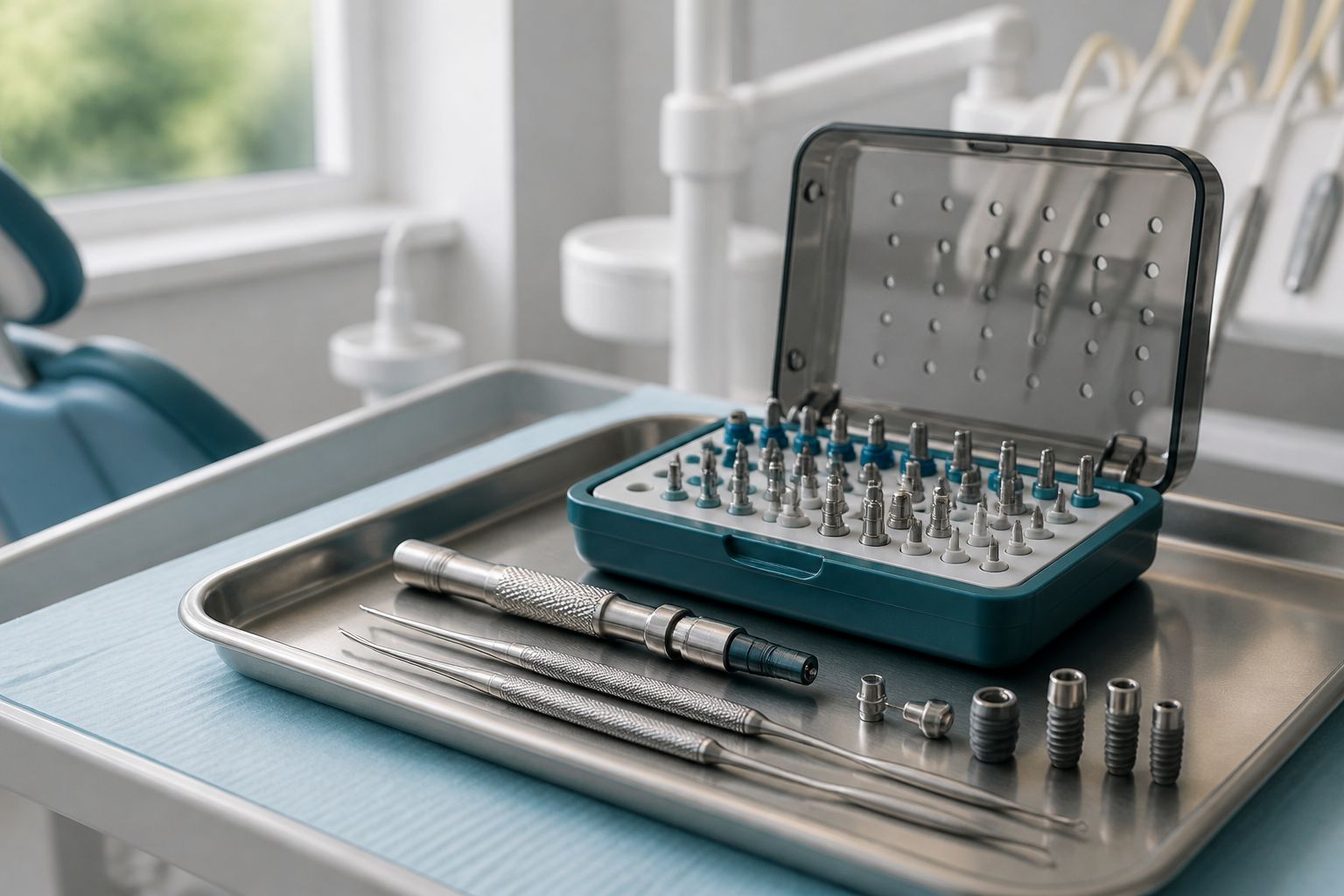
All-on-4 dental implants replace a full set of teeth using just four implants per jaw. Costs for this treatment vary significantly depending on the country, the clinic’s reputation, and the quality of materials used. Patients often seek care abroad to find savings, but it’s important to understand what’s included in quoted prices and what extra costs may arise. This article compares typical All-on-4 costs in major countries and explains what you get for your money.
What All-on-4 dental implant treatment involves
The All-on-4 dental implant procedure is a full-arch restoration technique designed for patients who have lost most or all of their teeth in one or both jaws. This innovative solution uses only four dental implants per arch, strategically placed to maximize support for a fixed, natural-looking prosthesis. Unlike traditional full-arch implants, which may require six to eight implants and sometimes bone grafting, the All-on-4 approach often eliminates the need for additional surgical procedures, making it more accessible for patients with some bone loss.
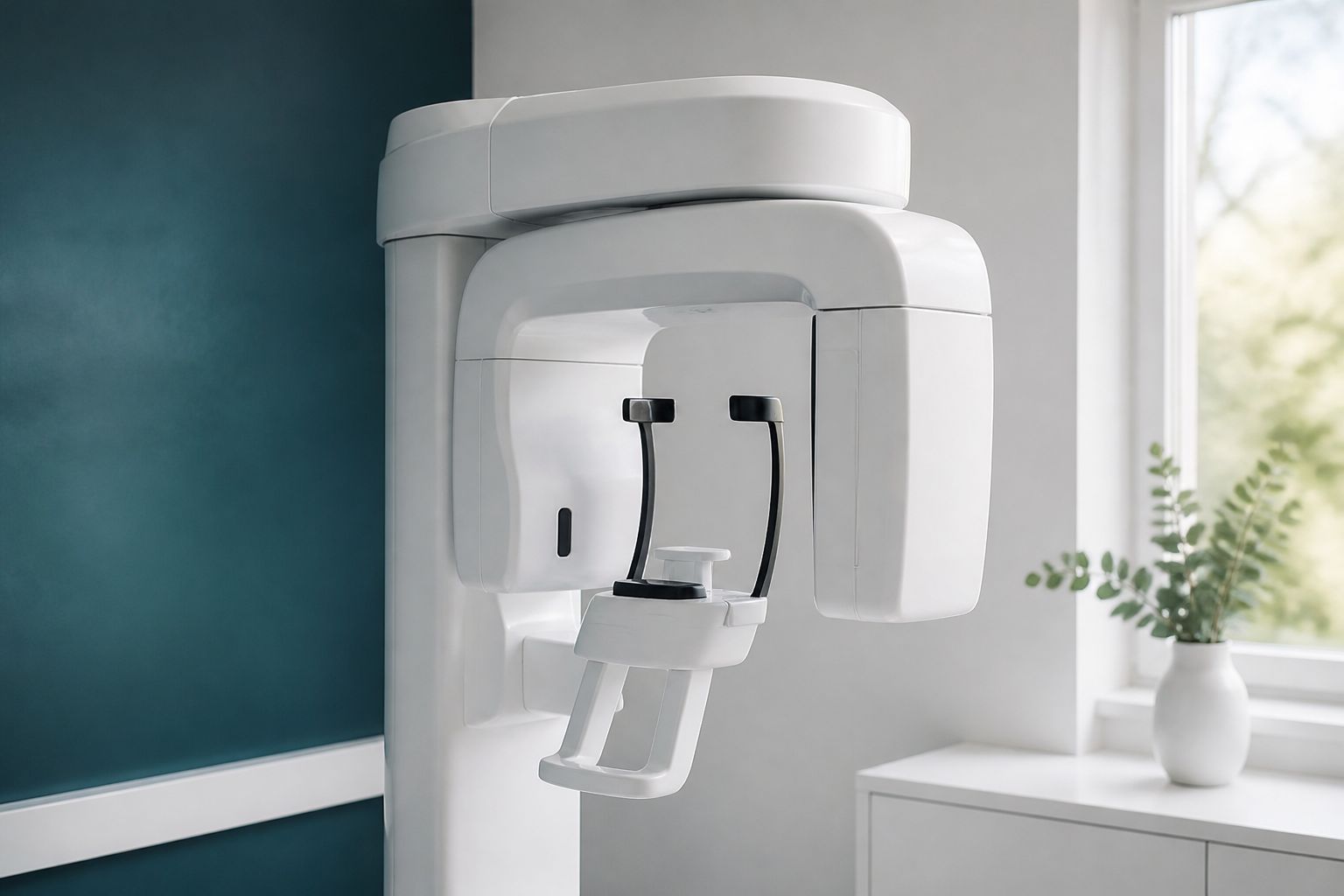
The treatment process begins with a comprehensive consultation, including a clinical examination and advanced dental imaging such as panoramic X-rays or CT scans. These diagnostics help the dental team assess bone quality and create a tailored treatment plan. On the day of surgery, any remaining teeth in the arch are extracted if necessary, and the jawbone is prepared for implant placement. Four titanium implants are then inserted at precise angles to ensure optimal stability. In many cases, a temporary set of teeth is attached to the implants within 24 hours, allowing patients to leave the clinic with a functional and aesthetically pleasing smile almost immediately.
After a healing period—typically several months—during which the implants fuse with the jawbone (a process called osseointegration), the temporary prosthesis is replaced with a permanent, custom-made bridge. Materials for the final bridge can include acrylic, porcelain, or zirconia, each offering different benefits in terms of durability and appearance. The All-on-4 system is fixed and non-removable, restoring chewing ability, clear speech, and self-confidence. While many patients are good candidates, a thorough evaluation is necessary. Ongoing follow-up is required for adjustments and to monitor oral health, ensuring the long-term success of the implants.
| Country | Typical cost range (USD) | What is usually included |
|---|---|---|
| United States | $22,000 – $32,000 | Consultation, imaging, surgery, temporary and final prosthesis, routine follow-up |
| Canada | $20,000 – $28,000 | Similar to US; may exclude extractions or sedation |
| United Kingdom | $18,000 – $28,000 | Consultation, imaging, surgery, prosthesis; some clinics may charge extra for extractions |
| Germany | $16,000 – $24,000 | Consultation, imaging, surgery, temporary and final bridge |
| Spain | $13,000 – $18,000 | Full package, often includes consultation and imaging |
| Turkey | $7,000 – $12,000 | Consultation, imaging, surgery, temporary and final prosthesis |
| Hungary | $8,000 – $13,000 | Consultation, imaging, surgery, prosthesis; extractions may be extra |
| Poland | $8,500 – $13,500 | Consultation, imaging, surgery, prosthesis |
| India | $6,000 – $10,000 | Consultation, imaging, surgery, prosthesis; may exclude bone grafting |
| Thailand | $8,000 – $14,000 | Consultation, imaging, surgery, prosthesis |
| Mexico | $8,000 – $13,000 | Consultation, imaging, surgery, prosthesis; some clinics offer airport transfers |
| Costa Rica | $10,000 – $15,000 | Consultation, imaging, surgery, prosthesis |
| Australia | $17,000 – $25,000 | Consultation, imaging, surgery, prosthesis |
| UAE (Dubai) | $15,000 – $22,000 | Consultation, imaging, surgery, prosthesis; some clinics include airport transfers |
| Singapore | $18,000 – $26,000 | Consultation, imaging, surgery, prosthesis |
Why prices differ by country
The cost of All-on-4 dental implants varies significantly from one country to another due to a combination of economic and healthcare system factors. A primary driver is the local cost of living, which directly influences dentist and staff salaries, clinic rent, and general overhead expenses. In countries like Turkey, Mexico, or India, lower living and operational costs allow clinics to offer All-on-4 treatment at a much lower price compared to the United States, United Kingdom, or Australia, where wages, insurance, and facility costs are higher.
Regulatory requirements also play a key role. In countries with stringent health and safety regulations, clinics may face higher costs for accreditation, insurance, and compliance with standards, which are reflected in treatment prices. Conversely, in locations with less oversight, costs may be lower, but patients should be cautious as quality and safety standards can vary more widely.
- Exchange rates and currency fluctuations can impact the cost for international patients, sometimes making treatment more or less affordable depending on the timing of payment.
- Import duties and local taxes on dental materials and equipment can further increase prices in some regions.
- The clinic’s reputation, location (urban vs. rural), and the prestige or experience level of the dental team can also influence the final cost.
Additionally, the choice of implant and prosthetic materials (such as premium or standard brands) and the use of advanced technology can affect pricing. Patients should always compare not just the headline cost, but also what is included in the price and the quality of care provided.
What the price usually includes and excludes
When considering All-on-4 dental implant treatment, it is essential to understand exactly what is included in the quoted price. Most reputable clinics offer a comprehensive package that covers the initial consultation, diagnostic imaging (such as panoramic X-rays or CT scans), surgical placement of four implants, and the fitting of a temporary prosthesis. After a period of healing and osseointegration, the final step—placement of a permanent custom-made bridge—should also be included in the package, but in some clinics, this may be billed separately.
However, not all costs are always covered. Common exclusions include tooth extractions (if needed before implant placement), bone grafting or sinus lifts (for patients with insufficient bone), sedation or general anesthesia (beyond local anesthesia), and certain medications such as antibiotics or pain relief. Some clinics may charge extra for post-operative care, minor adjustments to the prosthesis, or for additional follow-up appointments after the final bridge is placed.
- Medications for pain management and infection prevention may or may not be included in the main quote.
- Travel, accommodation, and daily living expenses for international patients are almost never part of the dental treatment cost and must be budgeted separately.
- Emergency care for complications, as well as long-term maintenance or repairs, are usually not included in the initial price.
To avoid unexpected expenses, always ask for a detailed, written breakdown of all costs and clarify what services are included and excluded before making a commitment. This will help ensure transparency and allow for a more accurate comparison between clinics and countries.
Quality and accreditation checks
Ensuring the quality and safety of your All-on-4 dental implant treatment is crucial, especially if you are considering treatment abroad. Start by checking the accreditation of the clinic and the credentials of the dental team. Leading hospitals and dental centers in countries such as the United States, United Kingdom, Germany, and Singapore are often accredited by internationally recognized organizations like the Joint Commission International (JCI) or ISO, which set rigorous standards for patient safety and clinic management. In Turkey, look for clinics accredited by the Turkish Ministry of Health, and some may also hold international accreditations.
It is important to verify that the clinic employs experienced oral surgeons or prosthodontists with specialized training in implantology. Ask specifically about the brands of implants and prosthetic materials used; reputable names such as Nobel Biocare, Straumann, and Zimmer are widely trusted in the dental community. The use of modern imaging technology, such as 3D CT scans and digital treatment planning, is also a good indicator of a high-quality clinic.
- Read independent patient reviews on third-party platforms, not just testimonials provided by the clinic.
- Request before-and-after photos of previous All-on-4 cases to assess the clinic’s track record.
- Confirm the clinic’s registration with local dental or medical regulatory boards, which can often be checked online through official government or association websites.
Taking these practical steps will help ensure that you select a clinic with a strong reputation, verified expertise, and a commitment to international standards of care, reducing the risk of complications and improving your overall treatment experience.
Hidden costs: travel, stay, and follow-up
When planning for All-on-4 dental implants abroad, it’s essential to account for all associated expenses beyond the base treatment cost. International patients often incur significant travel costs, including round-trip airfare, airport transfers, and, in some cases, visa fees. Depending on the treatment timeline, you may need to stay in the destination country for several days to a few weeks, especially if initial healing or multiple appointments are required. While some clinics offer assistance with hotel bookings or have partnerships with nearby accommodations, these costs are almost always separate from the dental quote and should be budgeted for in advance.
Follow-up visits are a critical part of the All-on-4 process. You may need to return for a second trip several months after the initial surgery to have the permanent bridge fitted or for additional check-ups. Ongoing maintenance, such as professional cleaning, adjustments, or repairs, is generally not included in the original quote and may require further travel if the clinic is overseas. For patients who experience complications or require emergency care, these services are rarely covered and can add to the overall expense.
- Additional dental procedures (like bone grafts or extractions) not included in the initial treatment plan can increase costs.
- Unexpected complications may necessitate further appointments and additional spending.
- Dental insurance rarely covers procedures performed abroad, so patients should plan to pay out-of-pocket for most services.
To avoid financial surprises, create a comprehensive budget that includes all travel, accommodation, and potential follow-up costs. This will allow you to accurately compare the total cost of treatment in different countries and make a fully informed decision.
How to compare quotes for All-on-4 implants
Effectively comparing quotes for All-on-4 dental implants requires careful attention to detail, as inclusions, exclusions, and quality can vary widely between clinics and countries. Begin by requesting a detailed, itemized quote from each provider, ensuring it specifies each stage of the process: initial consultation, diagnostic imaging, implant surgery, temporary and final prostheses, and all follow-up care. Clarify whether necessary steps such as tooth extractions, sedation or anesthesia, and required medications are included, or if they will incur additional charges.
Inquire about the dental team’s experience and qualifications, and request specifics on the brands and materials used for both implants and bridges. Check the clinic’s accreditation status and look for independent patient reviews and testimonials. Consider practical aspects such as the clinic’s location, availability of language support, and the comprehensiveness of aftercare, particularly if you are traveling from abroad.
- Seek transparent, written quotes that clearly outline all costs and services to avoid hidden fees.
- Be cautious of extremely low prices, as they may indicate the use of lower-quality materials or less experienced practitioners.
- Factor in the total cost, including travel, accommodation, and any required follow-up visits, to ensure an accurate comparison.
By thoroughly reviewing each quote and considering both financial and quality factors, you can make a well-informed decision that balances cost-effectiveness with safety and long-term satisfaction.
Frequently asked questions
Is All-on-4 suitable for everyone with missing teeth?
All-on-4 can help many people with significant tooth loss, but not everyone is a candidate. Your bone quality, oral health, and medical history must be assessed by a dentist or oral surgeon. Some may need additional procedures, like bone grafting, before implant placement.
How long does the All-on-4 procedure take?
The surgical placement of implants and temporary teeth can often be completed in one day. However, the full process—including planning, healing, and fitting the final prosthesis—usually takes three to six months, with several appointments needed.
Do I need to return to the same clinic for follow-up visits?
It is best to return to the same clinic for follow-up and to fit the permanent prosthesis, especially if you had treatment abroad. Some clinics offer remote support or partner with local dentists, but in-person visits are often recommended for best results.
What happens if I have a problem with my implants after returning home?
If you experience pain, swelling, or problems with your prosthesis after returning home, contact your treating clinic immediately. Some issues can be managed locally, but complex cases may require a return visit. Check what aftercare support your chosen clinic provides.
Are there risks with getting All-on-4 implants abroad?
There are risks, including differences in standards, potential language barriers, and limited aftercare if complications arise. Research the clinic’s credentials, read independent reviews, and ensure you understand the aftercare plan before proceeding with treatment abroad.
Related guides
Frizbo Health is an independent information site. Rankings are editorial and based on publicly available information such as reputation, specialist volume and accreditation; they are not paid placements. Costs are indicative ranges, not quotes, and change over time, so confirm current prices directly with the hospital. Nothing on this page is medical advice; speak to a qualified doctor about your own care.