
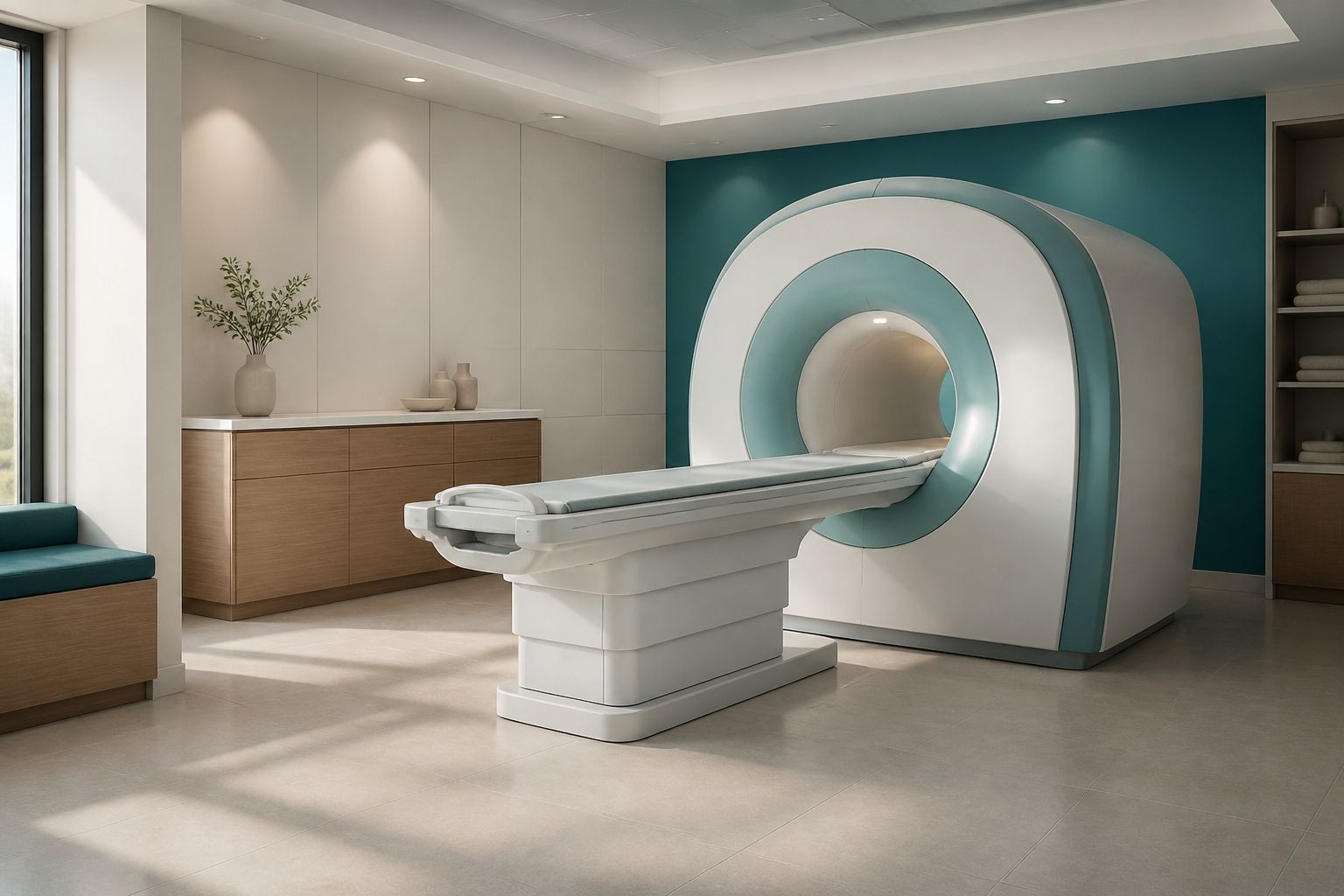
MRI and CT scans are essential diagnostic tools used worldwide, but their prices can differ dramatically depending on where you go. In the US, these scans tend to be much more expensive than in countries like India or Turkey. This guide compares typical MRI and CT scan costs in major countries, explains what the price usually covers, and highlights factors that affect pricing. If you’re considering medical travel or comparing local options, understanding these differences will help you make informed decisions.
What MRI and CT scans involve
MRI (Magnetic Resonance Imaging) and CT (Computed Tomography) scans are essential diagnostic tools in healthcare, each utilizing different technologies to visualize internal structures of the body. An MRI scan employs strong magnetic fields and radio waves to create detailed images, particularly useful for soft tissues such as the brain, spinal cord, muscles, ligaments, and organs. It does not use ionizing radiation, making it a preferred choice for repeated imaging or for patients who should avoid radiation exposure. MRI is commonly used to diagnose neurological conditions, evaluate joint injuries, and detect tumors or abnormalities in soft tissue organs.
CT scans, on the other hand, use X-ray beams rotated around the body to produce cross-sectional images or ‘slices’ of bones, blood vessels, and soft tissues. The process is much faster than MRI, often completed in less than 30 minutes, making it ideal for emergency situations like trauma, suspected internal bleeding, or stroke. CT scans are also widely used for cancer detection, staging, and monitoring, as well as for evaluating lung, abdominal, and cardiovascular conditions. Some scans require the use of a contrast agent, administered orally or intravenously, to enhance the visibility of specific tissues or blood vessels.
Both MRI and CT scans are typically outpatient procedures. Preparation may involve fasting, changing into a gown, and removing metal objects. The scans themselves are painless, though some patients may experience discomfort from lying still or from the enclosed space in an MRI machine. After the scan, a radiologist interprets the images and generates a report, which is sent to your referring doctor for review. Follow-up appointments may be necessary to discuss results and plan further treatment if needed.
- MRI is preferred for soft tissue, neurological, and musculoskeletal imaging.
- CT is faster and excels in trauma, chest, abdominal, and complex bone imaging.
- Both scans may require contrast agents and follow-up visits for results discussion.
| Country | Typical cost range (USD) | What is usually included |
|---|---|---|
| United States | $700 – $3,500 | Scan, radiologist report; consultation and contrast dye often extra |
| United Kingdom | $350 – $1,100 (£270 – £850) | Scan, radiologist report; NHS patients pay less, private may include consultation |
| Canada | $400 – $1,200 | Scan, report; public system covers for residents, private/expats pay full fee |
| Germany | $500 – $1,500 (€450 – €1,350) | Scan, radiologist report, sometimes consultation |
| France | $350 – $1,000 (€320 – €900) | Scan, report; public insurance covers most for residents |
| India | $60 – $250 (₹5,000 – ₹20,000) | Scan, report; consultation and contrast dye often extra |
| Turkey | $90 – $350 (₺2,800 – ₺11,000) | Scan, report; some packages include transport |
| Thailand | $120 – $500 | Scan, report; private hospitals may include doctor consultation |
| Singapore | $400 – $1,200 (SGD 540 – 1,620) | Scan, report; consultation often extra |
| United Arab Emirates | $400 – $1,200 (AED 1,500 – 4,400) | Scan, report; some packages include consultation |
| South Africa | $200 – $700 | Scan, report; private hospitals may charge extra for consultation |
| Australia | $300 – $900 (AUD 450 – 1,350) | Scan, report; public system covers for eligible residents |
| Mexico | $200 – $800 | Scan, report; some clinics include consultation |
| Brazil | $200 – $700 | Scan, report; private insurance may cover part |
| Poland | $150 – $500 (PLN 600 – 2,000) | Scan, report; public system covers for residents |
Why prices differ by country
The cost of MRI and CT scans can vary dramatically from one country to another, influenced by a complex interplay of economic, regulatory, and healthcare system factors. In the United States, prices are often the highest due to the significant investment in cutting-edge technology, high salaries for medical professionals, and extensive administrative requirements associated with insurance billing and compliance. Liability insurance and regulatory standards can also drive up operational costs. In contrast, countries such as India and Turkey benefit from lower labor costs, government subsidies, and sometimes less complex regulatory environments, allowing them to offer advanced imaging at a fraction of the cost seen in Western countries.
Public healthcare systems, like the UK’s National Health Service (NHS), can negotiate lower rates and subsidize costs, making scans more accessible and affordable for residents. However, private providers in these countries may charge higher fees for quicker access, the latest equipment, or specialized radiologist expertise. The cost is also affected by the type and age of imaging machines, with newer, high-resolution devices commanding higher fees. Local market competition, patient demand, and the overall volume of scans performed can further influence pricing within a country or city.
- Healthcare system structure (public vs. private) impacts patient out-of-pocket expenses.
- Regulations, taxes, and import duties on medical equipment affect scan costs.
- Urban centers with many providers may offer more competitive pricing than rural areas.
What the price usually includes and excludes
When considering the cost of an MRI or CT scan, it is important to understand what is typically included in the quoted price and what may be billed separately. The base price almost always covers the use of the imaging equipment, the technical staff required to perform the scan, and the radiologist’s interpretation and written report. In many private hospitals and diagnostic centers, the initial consultation with a physician, who reviews your medical history and explains the procedure, is sometimes bundled into the overall cost. If a contrast agent or sedation is necessary for the scan, this may or may not be included, depending on the facility’s policies.
There are several common exclusions to be aware of. Pre-scan laboratory tests, such as kidney function tests required before contrast dye administration, are often billed separately. If additional imaging sequences are needed during the scan, or if you request a second opinion from another radiologist, these can incur extra charges. Some facilities charge for providing physical copies of your images (on CD or film) or for secure online access to your scan data. In public hospitals, while the scan itself may be subsidized, expedited appointments, after-hours services, or private room requests can come at an additional cost. Always request a detailed, itemized quote ahead of your appointment to avoid surprises.
- Included: scan procedure, equipment use, and radiologist’s report.
- Sometimes included: initial doctor consultation, contrast dye, and sedation (if required).
- Typically excluded: follow-up visits, extra imaging, lab tests, travel, accommodation, and second opinions.
Quality and accreditation checks
Ensuring the quality and safety of your MRI or CT scan is crucial, particularly if you are seeking care in another country or an unfamiliar facility. Reputable imaging centers and hospitals obtain accreditation from recognized national or international organizations, which assess their adherence to strict standards in patient safety, equipment maintenance, and staff qualifications. In the United States, the American College of Radiology (ACR) accredits imaging facilities that meet rigorous quality assurance and safety protocols. In the UK, the Care Quality Commission (CQC) inspects and rates diagnostic providers for compliance with national standards. Leading hospitals in India, Turkey, and Thailand often hold Joint Commission International (JCI) accreditation, reflecting adherence to global best practices.
To check quality, ask the facility about the age and maintenance schedule of their MRI or CT machines, as newer equipment can provide clearer images and, for CT, may reduce radiation exposure. Confirm that radiologists are board-certified or have equivalent credentials, and that the center participates in regular quality audits. You can verify accreditation by visiting the accrediting body’s official website or requesting documentation from the provider. While online reviews and patient testimonials can offer insights, prioritize facilities with transparent safety records and recognized accreditation when making your choice.
- Seek accreditation from organizations like ACR, CQC, or JCI.
- Inquire about the technology, age, and maintenance of imaging equipment.
- Verify radiologist qualifications and the facility’s commitment to quality assurance.
Hidden costs: travel, stay, and follow-up
If you are traveling for an MRI or CT scan, it is important to budget for expenses beyond the scan itself. Travel costs can include international or domestic airfare, visa fees, airport transfers, and local transportation such as taxis or public transit. Accommodation expenses will depend on the city, the duration of your stay, and the level of comfort you require. Some hospitals and clinics offer medical travel packages that may include hotel stays, transportation, or even meal vouchers, but always confirm exactly what is covered before booking.
Additional costs can arise if pre-scan laboratory tests are needed, if further imaging is recommended after your initial scan, or if you require follow-up consultations with specialists. If your scan reveals a condition that needs immediate treatment, you may need to extend your stay, increasing accommodation and daily living expenses. Insurance coverage for diagnostic procedures abroad is highly variable, so consult your insurer to determine what is reimbursed and what is not. If you plan to have your images reviewed by a doctor at home, factor in possible costs for medical translation, secure digital transfers, or shipping physical records.
- Budget for flights, accommodation, local transport, and daily expenses.
- Allow for extra days in case of additional tests or follow-up appointments.
- Check your insurance policy’s coverage for diagnostics and related travel costs abroad.
How to compare quotes for MRI and CT scans
When comparing MRI and CT scan quotes from different providers or countries, it is essential to look beyond the initial price and request a full, itemized cost breakdown. This should clarify whether the fee includes the scan itself, radiologist interpretation, use of contrast dye, pre- or post-scan consultations, and any administrative charges. Ask about potential extra costs for urgent reporting, additional imaging sequences, or necessary follow-up appointments. If you are offered a bundled package, confirm what is included—such as accommodation, airport transfers, or assistance with local travel—and identify any exclusions.
Equally important is the credibility and quality of the imaging center or hospital. Verify the facility’s accreditation status through official channels, inquire about the age and quality of their imaging equipment, and confirm the credentials of their radiologists and technical staff. Consider practical aspects such as appointment availability, turnaround time for results, and the level of patient support, especially if you are traveling from abroad. Facilities that cater to international patients may offer dedicated coordinators, translation services, and help with travel arrangements, which can improve your overall experience.
- Request a comprehensive, itemized quote that details all potential costs.
- Clarify the specifics of package deals and be alert to hidden fees or exclusions.
- Prioritize providers with recognized accreditation, experienced staff, and strong patient support services.
Frequently asked questions
Are MRI and CT scan prices negotiable at private hospitals?
In some countries, private hospitals or imaging centers may offer discounts for upfront payment or bundled packages, especially for self-paying or international patients. However, prices are usually fixed in well-known hospitals. Always ask if discounts or payment plans are available, but expect less flexibility in North America and Western Europe than in Asia or the Middle East.
Does insurance cover MRI or CT scans done abroad?
Coverage for overseas scans depends on your insurance policy. Some international health insurance plans may reimburse you for diagnostics abroad, but many domestic plans do not. Always check with your insurer before booking, and ask what documentation is required for reimbursement. Some hospitals can help you prepare the necessary paperwork for claims.
How long does it take to get MRI or CT scan results?
The turnaround time for results can range from a few hours to several days, depending on the hospital and the urgency of your case. Private hospitals often provide faster reporting, sometimes within 24 hours. In public systems, especially with high demand, it may take a week or longer. Always ask about expected timelines when booking your scan.
Can I request a copy of my MRI or CT scan images?
Yes, most hospitals and imaging centers will provide you with a digital copy of your scan images, typically on a CD, USB drive, or via a secure online portal. Some may charge a small fee for this service. It’s a good idea to keep a copy for your records or to share with other medical professionals if needed.
Is it safe to have multiple MRI or CT scans?
MRI scans do not use ionizing radiation and are generally safe for repeated use, though not recommended unless medically necessary. CT scans use X-rays, and repeated exposure can increase health risks over time. Your doctor will weigh the benefits and risks before recommending multiple scans. Always discuss any concerns with your healthcare provider.
Related guides
Frizbo Health is an independent information site. Rankings are editorial and based on publicly available information such as reputation, specialist volume and accreditation; they are not paid placements. Costs are indicative ranges, not quotes, and change over time, so confirm current prices directly with the hospital. Nothing on this page is medical advice; speak to a qualified doctor about your own care.