

Preimplantation genetic testing (PGT) is a laboratory procedure used during IVF to screen embryos for genetic abnormalities before transfer. The cost of PGT varies significantly between countries, reflecting differences in healthcare systems, technology, and what’s included in the price. This guide compares typical PGT costs in the US, India, Spain, and other countries, and explains what influences these prices so you can make an informed decision.
What PGT genetic testing involves
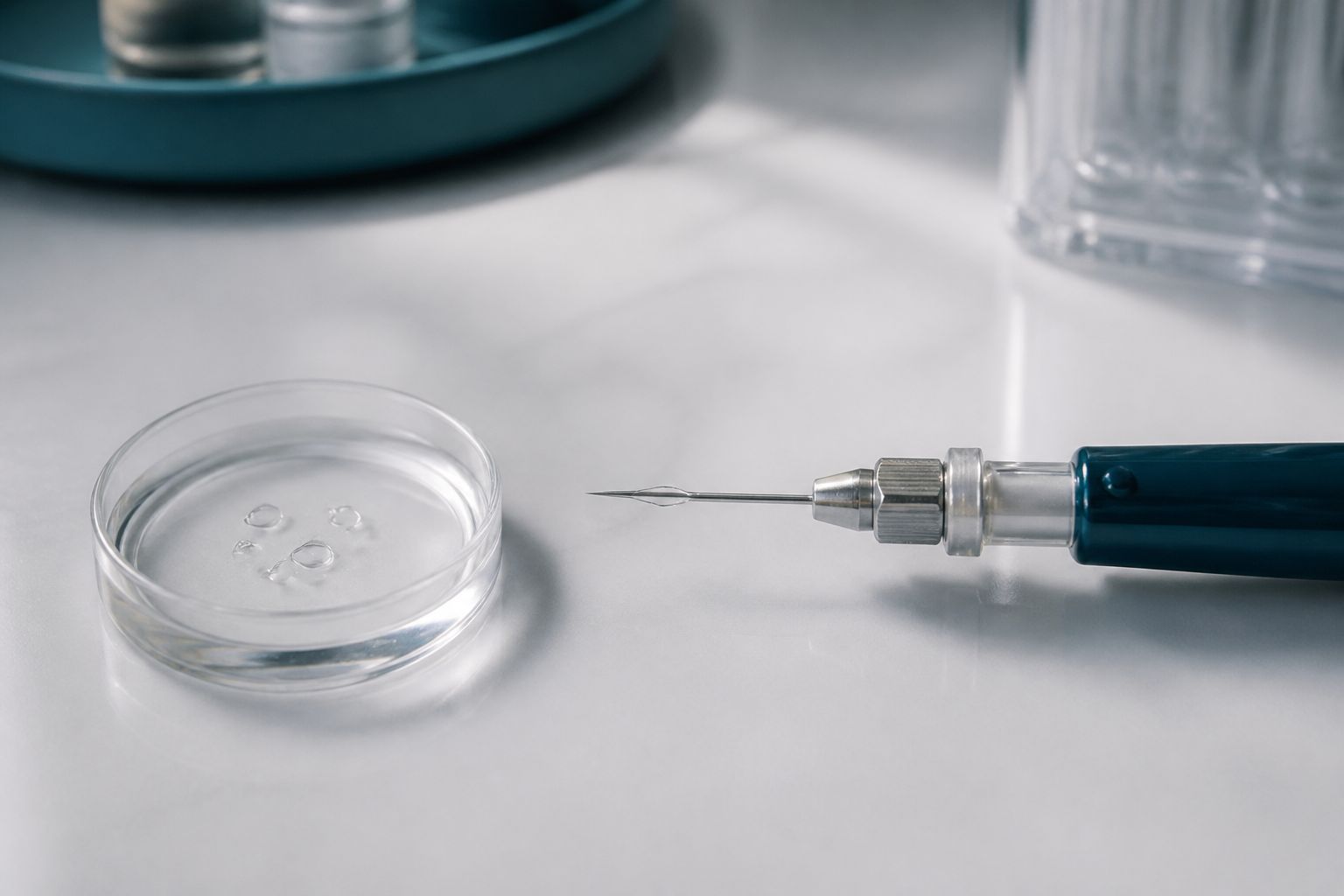
Preimplantation genetic testing (PGT) is a sophisticated process that forms an integral part of certain IVF (in vitro fertilization) treatments. After eggs are fertilized and embryos reach the blastocyst stage (usually day 5 or 6), a highly trained embryologist performs a biopsy, delicately removing a few cells from each embryo. These cells are then analyzed in a specialized genetics laboratory. PGT is not a single test but a suite of techniques: PGT-A (for aneuploidy) screens for abnormal chromosome numbers, PGT-M (for monogenic or single-gene disorders) detects specific inherited diseases, and PGT-SR identifies structural rearrangements in chromosomes such as translocations or inversions.
The main aim of PGT is to improve the chances of a successful pregnancy and the birth of a healthy child by ensuring that only embryos without certain genetic or chromosomal abnormalities are considered for transfer. This is particularly valuable for couples who have a family history of genetic conditions, women of advanced maternal age, those with recurrent miscarriages, or couples who have experienced repeated IVF failure. It is important to note that PGT does not cure or treat genetic conditions—instead, it helps prevent the transfer of embryos with known abnormalities.
- PGT-A: Screens for chromosomal aneuploidies (e.g., Down syndrome, Turner syndrome).
- PGT-M: Identifies specific single-gene disorders (e.g., cystic fibrosis, sickle cell disease, thalassemia).
- PGT-SR: Detects structural rearrangements in chromosomes (e.g., balanced translocations).
The procedure requires advanced laboratory technology and highly skilled professionals, and it can add several days to the standard IVF timeline to allow for the analysis and reporting of results. Not all IVF patients will benefit from PGT; your fertility specialist will review your medical and family history, genetic risks, and reproductive goals before recommending whether PGT is appropriate for your situation.
| Country | Typical cost range (USD) | What is usually included |
|---|---|---|
| United States | $5,000 – $8,000 | Biopsy and PGT for 5–8 embryos, lab fees, results report |
| United Kingdom | $4,000 – $6,500 | Biopsy and PGT for 6–8 embryos, some counseling |
| India | $1,200 – $2,500 | Biopsy and PGT for up to 8 embryos, reporting |
| Spain | $3,500 – $6,000 | Biopsy and PGT for 6–8 embryos, some follow-up |
| Turkey | $2,000 – $3,500 | Biopsy and PGT for 6–8 embryos, reporting |
| Greece | $2,500 – $4,500 | Biopsy and PGT for 6–8 embryos, lab fees |
| Thailand | $2,500 – $4,000 | Biopsy and PGT for 5–8 embryos, reporting |
| Czech Republic | $2,500 – $4,500 | Biopsy and PGT for 6–8 embryos, some counseling |
| Ukraine | $2,000 – $3,500 | Biopsy and PGT for up to 8 embryos, reporting |
| Mexico | $2,500 – $4,000 | Biopsy and PGT for 6–8 embryos, lab fees |
| Singapore | $4,000 – $6,500 | Biopsy and PGT for 6–8 embryos, reporting |
| United Arab Emirates | $4,500 – $7,000 | Biopsy and PGT for 6–8 embryos, some counseling |
| Australia | $4,000 – $6,500 | Biopsy and PGT for 6–8 embryos, lab fees |
| Canada | $4,500 – $7,000 | Biopsy and PGT for 6–8 embryos, reporting |
| South Africa | $2,500 – $4,500 | Biopsy and PGT for up to 8 embryos, reporting |
Why PGT prices differ by country
The cost of PGT can vary dramatically from country to country due to a combination of healthcare system structures, economic factors, and regulatory requirements. In countries like the United States or the United Kingdom, the price is often higher because of the significant investment in state-of-the-art laboratory equipment, higher wages for specialized staff, and compliance with strict regulatory and quality assurance standards. These countries may also have higher costs for consumables and laboratory reagents, which are passed on to patients.
In contrast, countries such as India, Turkey, or Mexico may offer PGT services at much lower prices. This is often due to lower labor costs, reduced overhead, and more affordable consumables. Some clinics in these regions may use slightly less advanced technology or have fewer regulatory hurdles, which can further reduce costs. Additionally, the presence of in-house genetics laboratories (as opposed to outsourcing to third-party labs) can impact pricing, as shipping and external processing fees may be avoided or, conversely, added if outsourcing is necessary. Insurance coverage and government support also play a significant role: in some countries, fertility treatments including PGT may be partially or fully covered, drastically reducing out-of-pocket expenses for patients, while in others, patients must pay the full cost themselves.
- High salaries, regulatory costs, and lab expenses in the US and Western Europe raise prices.
- Local regulations and insurance policies affect what patients pay out of pocket.
- Advanced genetic technologies and in-house versus outsourced testing impact costs.
When comparing international PGT costs, it is important to consider not only the direct fees but also the broader economic and regulatory context that influences pricing in each country.
What the price usually includes and excludes
It is essential to understand exactly what is included in the quoted price for PGT, as inclusions and exclusions can differ widely between clinics and countries. Typically, the base price covers the embryo biopsy (the removal of a few cells from each embryo) and the genetic analysis for a set number of embryos—often between five and eight. This usually includes the use of all necessary laboratory equipment, reagents, and consumables, as well as the services of skilled embryologists and laboratory staff. Many clinics also include a follow-up consultation with a genetic counselor or fertility specialist to discuss the results and next steps.
Commonly included in the price:
- Embryo biopsy performed by an experienced embryologist
- Genetic analysis (PGT-A, PGT-M, or PGT-SR) for a specified number of embryos
- Laboratory consumables and use of advanced genetic analysis platforms
- An initial or follow-up consultation to review the results with a genetic counselor or doctor (in some cases)
Commonly excluded or additional costs:
- IVF cycle costs, including ovarian stimulation, egg retrieval, fertilization, and embryo culture
- Cryopreservation (freezing) and storage of embryos after testing
- Testing of additional embryos beyond the initial package quota
- Shipping or courier fees if biopsy samples are sent to an external genetic laboratory
- Repeat or confirmatory genetic testing, if required
To avoid unexpected expenses, always request a detailed, itemized quote from your clinic. Ask specifically which services are included in the price and clarify any potential extra charges, especially if you anticipate needing additional embryos tested, cryopreservation, or follow-up care.
Quality and accreditation checks
Ensuring that your chosen clinic or hospital meets international standards of quality and safety is critical when undergoing PGT. Look for clinics that hold accreditations from respected organizations such as the Joint Commission International (JCI) or the College of American Pathologists (CAP), which indicate adherence to stringent protocols in laboratory practices, staff qualifications, and patient care. Some clinics may also have ISO certification or accreditation from national health authorities, signaling compliance with both international and local standards.
You should verify that the genetics laboratory is certified for clinical testing and that embryologists and geneticists involved in your care have appropriate board certification or specialized training in reproductive genetics. Many countries maintain public registries or publish outcome data for fertility clinics, which can be a valuable source of information about laboratory performance and patient satisfaction. Patient reviews, testimonials, and independent rankings can provide further insight into a clinic’s reputation and reliability, though these should be considered alongside formal accreditation.
- Seek out international or national accreditation (e.g., JCI, CAP, ISO).
- Check the credentials and experience of laboratory and clinical staff.
- Review patient feedback and independent rankings for additional reassurance.
While clinics with strong accreditation and experienced teams may charge higher fees, this investment can provide greater confidence in the accuracy of your PGT results and the safety of your overall IVF experience.
Hidden costs: travel, stay, and follow-up
When planning for PGT, especially if you are considering treatment abroad, it is important to factor in additional expenses that go beyond the quoted medical fees. Travel costs can be significant and may include international or domestic flights, local transportation such as taxis or airport transfers, and accommodation for the duration of your treatment. The length of your stay will depend on your treatment plan, but it may range from a few days to several weeks, particularly if you need to remain nearby for multiple IVF and PGT procedures.
Some fertility centers offer special packages for international patients, which might include airport pickup, discounted hotel rates, or assistance with travel arrangements. However, these are not universally available, so you should always check in advance. Other potential costs include meals, daily living expenses, travel insurance, and visa fees. If your treatment requires additional follow-up visits, repeat testing, or prescription medications, these may not be included in the initial quote and could require further expenditure. Be aware that delays, unexpected medical needs, or changes in your treatment plan could necessitate extending your stay, adding to your overall costs.
- Travel and accommodation can substantially increase the total cost, especially if traveling long distances.
- Visa fees, travel insurance, and daily expenses are often overlooked but can add up quickly.
- Follow-up appointments, remote consultations, or additional procedures may incur extra charges.
For a realistic assessment of your total investment, request a comprehensive breakdown of all expected costs from your clinic, including both medical and non-medical expenses, and plan your trip with flexibility to accommodate any unforeseen changes.
How to compare PGT quotes from different countries
Comparing PGT quotes internationally requires a thorough and methodical approach to ensure you understand the true value and total cost of each option. Start by requesting a detailed, itemized quote from each clinic, specifying exactly what is included—such as the number of embryos covered, laboratory fees, consultations, and whether services like embryo freezing or storage are bundled or billed separately. Clarify if there are extra charges for testing additional embryos, repeat analyses, or if samples must be shipped to external laboratories, as these costs can vary widely.
It is equally important to account for all non-medical costs, including travel, accommodation, meals, visa fees, and insurance, as these can significantly impact your overall budget. Some clinics may appear less expensive on paper but add fees for services that are bundled elsewhere, resulting in higher final costs. Assess the clinic’s laboratory accreditation and the qualifications of the genetics team to ensure you are not sacrificing quality for price. Consider the location’s convenience and accessibility, especially if multiple visits or ongoing follow-up care are necessary.
- Always request and compare itemized quotes, checking what is included and excluded.
- Investigate hidden or optional fees (e.g., extra embryos, freezing, shipping, follow-up care).
- Weigh the total cost against the clinic’s quality, accreditation, and convenience for your situation.
By carefully evaluating both the medical and practical aspects of each offer, you can choose the clinic and country that best match your financial circumstances, treatment needs, and expectations for quality and support.
Frequently asked questions
Is PGT always necessary during IVF?
No, PGT is not required for every IVF cycle. It is typically recommended for patients with a known risk of genetic disorders, recurrent miscarriages, advanced maternal age, or repeated IVF failure. Your fertility specialist can advise if PGT is appropriate based on your specific medical history and risk factors.
Does insurance cover PGT costs?
In some countries, certain insurance policies may cover part of the PGT cost, especially if there is a known genetic risk. However, in most cases, PGT is considered an elective, self-pay procedure. Always check with your insurer and clinic to confirm what is covered before starting treatment.
How many embryos are included in the typical PGT fee?
Most clinics include testing for 5 to 8 embryos in their base PGT fee. If you have more embryos to test, there may be an additional charge per embryo. Make sure to ask your clinic how many embryos are covered in their quoted price and what the extra cost will be for additional testing.
Can I do PGT in one country and IVF in another?
Technically, it’s possible to have IVF in one country and send embryos to another for PGT, but this is logistically complex. Embryo shipping is highly regulated, expensive, and not all clinics will agree to it. Most patients choose to have both IVF and PGT at the same clinic or within the same country for simplicity and safety.
Are there risks to the embryo from PGT?
PGT involves removing a few cells from the embryo, which carries a small risk of damage. However, when performed by experienced embryologists, the risk is low. Not all embryos will survive the biopsy and freezing process, so it’s important to discuss the risks and benefits with your fertility specialist.
Related guides
Frizbo Health is an independent information site. Rankings are editorial and based on publicly available information such as reputation, specialist volume and accreditation; they are not paid placements. Costs are indicative ranges, not quotes, and change over time, so confirm current prices directly with the hospital. Nothing on this page is medical advice; speak to a qualified doctor about your own care.