
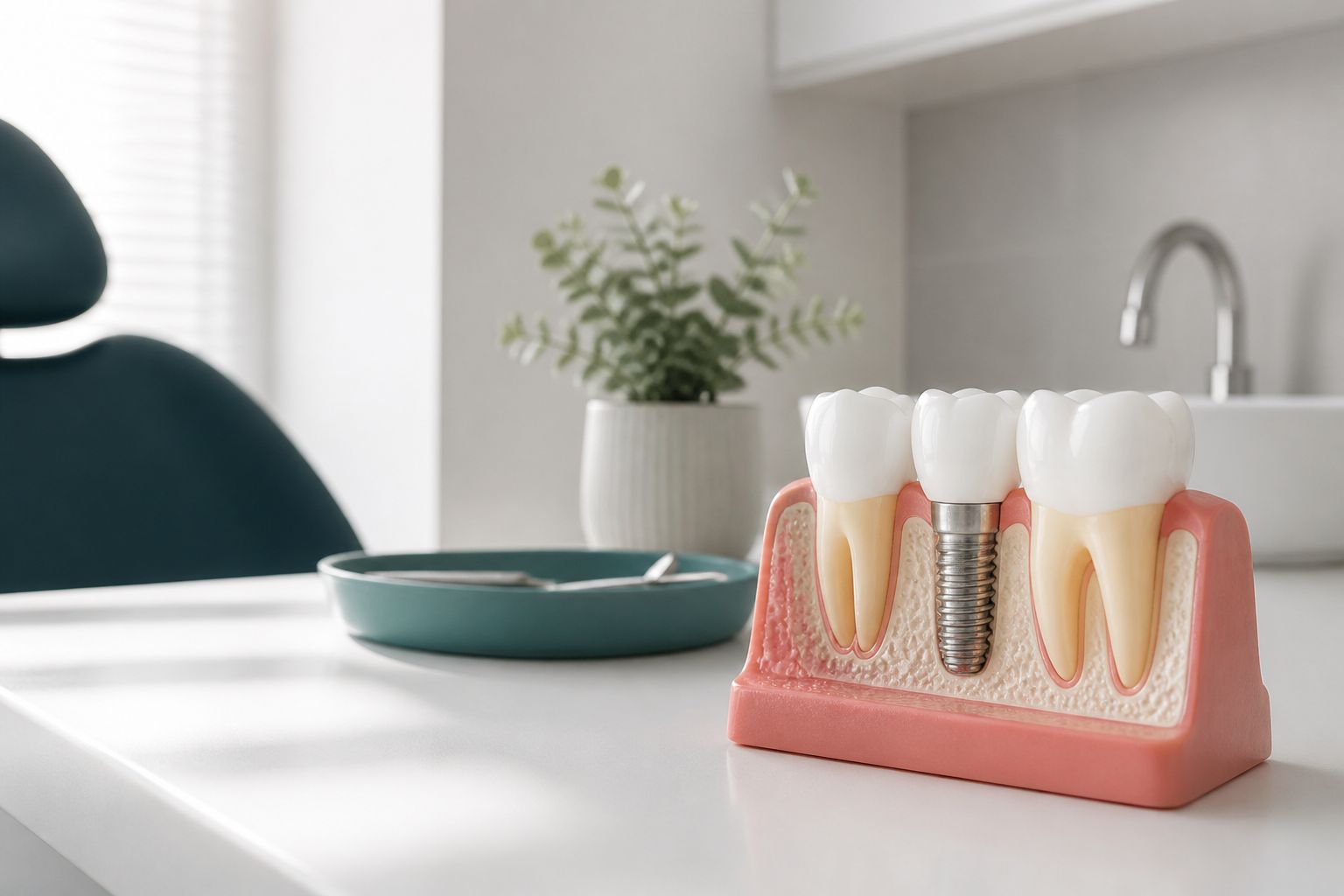
Dental implants can restore your smile, but the cost can be very different depending on where you have the treatment. In the USA, a single dental implant can cost much more than in countries like Turkey or Mexico. This article compares dental implant costs in leading countries, explains what is usually included, and highlights key points to watch for when comparing prices. Understanding these differences can help you plan your treatment and budget more effectively.
What dental implant treatment involves
Dental implant treatment is a comprehensive process that aims to restore missing teeth by anchoring artificial roots and crowns into the jawbone. The procedure commences with an in-depth consultation, during which the dentist thoroughly examines your oral health, reviews your medical and dental history, and conducts diagnostic imaging such as panoramic X-rays or 3D CT scans. These scans are essential to assess bone density and determine the precise placement of the implant. If the jawbone is insufficient, preparatory procedures like bone grafting or sinus lifts may be recommended before implant placement.
The next step is the surgical insertion of a titanium implant post into the jawbone. This is usually performed under local anesthesia, though sedation options may be available for patient comfort. After surgery, a crucial healing period follows, known as osseointegration, during which the bone gradually fuses with the implant, providing a stable foundation. This phase can take several months, depending on individual healing rates and whether bone grafting was necessary.
Once osseointegration is complete, a small connector called an abutment is attached to the implant. The dentist then takes impressions of your mouth to fabricate a custom-made crown, bridge, or denture that matches your natural teeth in color and shape. In some cases, same-day implants may be possible, but most clinics recommend a staged approach to ensure optimal long-term results and minimize the risk of complications.
- Comprehensive initial assessment and diagnostic imaging
- Surgical placement of the implant post
- Healing and osseointegration period
- Attachment of abutment and fabrication of custom crown
Throughout the process, patients typically attend several follow-up appointments for monitoring, adjustments, and final restoration. Proper planning and execution of each stage ensure both aesthetic appeal and functional success, whether replacing a single tooth, multiple teeth, or supporting full-arch prosthetics.
| Country | Typical cost range (USD) | What is usually included |
|---|---|---|
| USA | $3,000–$6,000 | Implant, surgery, abutment, crown (excludes scans, bone grafts, extractions) |
| Canada | $2,800–$5,500 | Implant, surgery, abutment, crown (excludes scans, bone grafts) |
| UK | $2,500–$4,500 | Implant, surgery, abutment, crown (often excludes scans, bone grafts) |
| Germany | $2,800–$5,000 | Implant, surgery, abutment, crown (may exclude scans, bone grafts) |
| France | $2,500–$4,500 | Implant, surgery, abutment, crown (may exclude scans, bone grafts) |
| Australia | $2,500–$5,000 | Implant, surgery, abutment, crown (may exclude scans, bone grafts) |
| Turkey | $900–$2,000 | Implant, surgery, abutment, crown (often includes follow-up, excludes travel) |
| Mexico | $1,000–$2,000 | Implant, surgery, abutment, crown (may include airport transfer, excludes travel) |
| Hungary | $1,200–$2,500 | Implant, surgery, abutment, crown (may include hotel, excludes travel) |
| Poland | $1,200–$2,200 | Implant, surgery, abutment, crown (may include hotel, excludes travel) |
| India | $700–$1,800 | Implant, surgery, abutment, crown (may exclude scans, travel) |
| Thailand | $1,200–$2,500 | Implant, surgery, abutment, crown (may include airport transfer, excludes travel) |
| Spain | $1,800–$3,000 | Implant, surgery, abutment, crown (may exclude scans, bone grafts) |
| South Korea | $1,500–$2,800 | Implant, surgery, abutment, crown (may exclude scans, bone grafts) |
| UAE (Dubai) | $2,000–$4,000 | Implant, surgery, abutment, crown (may exclude scans, bone grafts) |
Why prices differ by country
The cost of dental implants varies significantly between countries due to a combination of economic, regulatory, and clinical factors. One of the primary drivers is the local cost of living, which influences salaries for dental professionals, rent for clinic spaces, and the price of utilities. For instance, dental care in the USA, UK, or Australia is generally more expensive than in countries like Turkey, Mexico, or Hungary, where overhead and labor costs are lower.
Material and equipment expenses also play a role. Some countries face higher import duties, taxes, and shipping costs for dental materials, which can be reflected in patient fees. The regulatory environment is another important factor: countries with rigorous oversight, mandatory continuing education, and stringent licensing requirements often have higher operating costs, which can translate to higher treatment prices. Conversely, countries with less regulatory burden may offer lower prices but require patients to be more diligent in vetting clinic quality.
- Cost of living and local wage levels
- Import taxes, material, and equipment costs
- National and regional healthcare regulations
- Level of competition among dental clinics
In popular dental tourism destinations, competition among clinics catering to international patients can help keep prices competitive, often without sacrificing quality. However, lower prices do not always mean inferior standards. It is important to investigate the reasons behind pricing differences, including the clinic’s reputation, materials used, and adherence to safety standards, before making a decision on where to receive treatment.
What the price usually includes and excludes
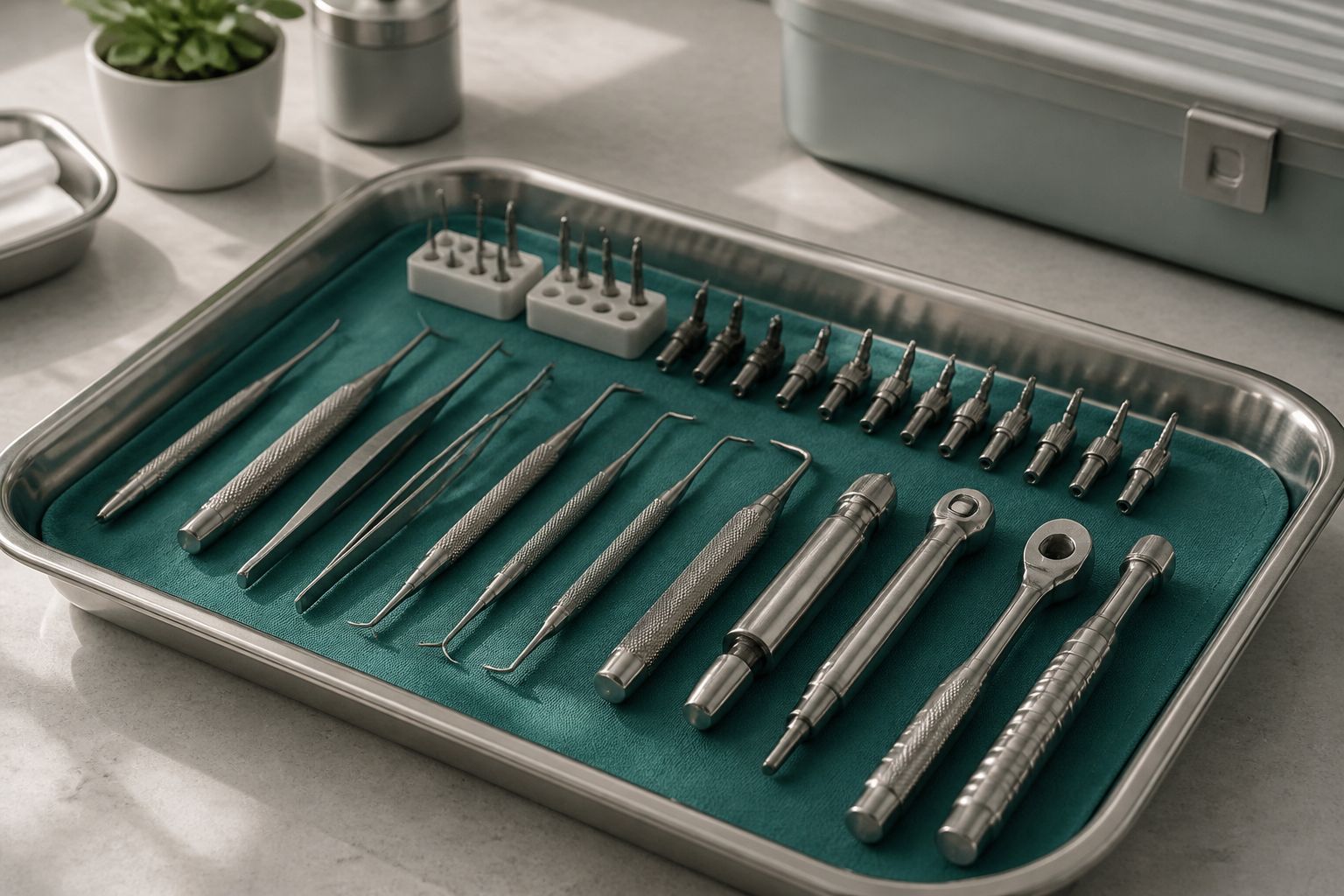
The advertised price for dental implants can be misleading without a detailed breakdown of what is and isn’t included. In most cases, the base price covers the titanium implant post and the surgical placement procedure. Some clinics include the abutment—the connector between the implant and the crown—and the custom-made crown itself in a bundled package, while others charge separately for these components. Immediate post-surgical follow-up visits are often included in the initial fee, ensuring that the healing process is monitored.
However, there are common exclusions. Essential diagnostic imaging, such as X-rays or CT scans, is sometimes billed separately. Procedures like tooth extractions, bone grafting, or sinus lifts—often required for patients with insufficient bone—are frequently not included in the standard price. Sedation or general anesthesia, if requested or required, may also incur additional costs. For international patients, some clinics offer comprehensive packages that include airport transfers, accommodation, or translation services, but these are not universal and should be confirmed before booking.
- Included: implant fixture, surgical placement, initial follow-up
- Sometimes included: abutment, crown, sedation or anesthesia
- Often excluded: diagnostic scans, extractions, bone grafts, travel and accommodation
To avoid unexpected expenses, always request a clear, itemized quote that specifies what is covered. This allows for accurate comparisons between clinics and helps you budget for all necessary elements, including any potential additional procedures or logistical costs associated with traveling for treatment.
Quality and accreditation checks
Ensuring high standards of care and safety is vital when considering dental implant treatment, especially in another country. Quality assurance starts with verifying the dentist’s credentials, including their education, licensing, and experience in implantology. In the USA, dental professionals are licensed by state dental boards, and the American Dental Association (ADA) accredits many clinics. The UK relies on the Care Quality Commission (CQC) to monitor clinics, and all dentists must be registered with the General Dental Council (GDC), both of which uphold strict protocols for patient safety and quality.
In countries such as Turkey, Mexico, and Hungary, reputable clinics often seek international accreditations like Joint Commission International (JCI) or ISO certification, which signal adherence to globally recognized standards. Membership in national dental associations, such as the Turkish Dental Association or the Mexican Dental Association, further demonstrates commitment to ethical practice and regulatory compliance. Independent patient testimonials and before-and-after photos can provide valuable insight into the clinic’s results and patient satisfaction.
- Verify the dentist’s education, licensing, and experience
- Check for clinic accreditations (JCI, ISO, ADA, CQC, GDC)
- Review independent patient testimonials and before-and-after photos
To check accreditation, request documentation directly from the clinic or search official regulatory body websites for verification. Always ask about the dentist’s specific experience with implants and review independent sources for feedback. Taking these practical steps helps ensure you select a clinic that meets international standards for safety, hygiene, and successful outcomes.
Hidden costs: travel, stay and follow-up
When considering dental implants abroad, factoring in hidden costs is essential for accurate budgeting. Travel expenses can include round-trip airfare, airport transfers, and transportation within the destination city. Accommodation costs vary depending on the location, duration of stay, and proximity to the clinic. Some dental clinics offer packages that bundle hotel stays or airport pickups, but these inclusions should be confirmed ahead of time.
Follow-up care is another significant consideration. Implant procedures typically require at least two separate visits: one for implant placement and another for attaching the abutment and crown after a healing period of several months. If complications arise, such as infection or implant failure, you may need to return for additional treatment, which can increase overall costs. Travel insurance that covers medical tourism is highly recommended, as it can help mitigate unexpected expenses related to medical emergencies or travel disruptions.
- Airfare and local transportation
- Hotel or other accommodation
- Travel and medical insurance
- Daily expenses for meals and activities
- Potential costs for extra follow-up or emergency visits
Before committing, ask the clinic for a detailed treatment timeline and an outline of all recommended follow-up care. Inquire about their aftercare support—some clinics offer remote consultations to reduce the need for return visits. Understanding these additional costs and logistical needs upfront will help you plan effectively and avoid surprises during your dental implant journey.
How to compare quotes for dental implants
Effectively comparing dental implant quotes from different clinics and countries requires a systematic approach. Start by requesting a detailed, itemized quote from each provider, ensuring it specifies whether the price includes the implant post, abutment, and crown, as well as diagnostic imaging, anesthesia, and all necessary follow-up visits. Some clinics may advertise low prices but exclude essential components, so clarity is crucial for an accurate comparison.
Research the qualifications and experience of the dental team, and inquire about the brand and type of implant system used, as reputable brands offer better long-term support and compatibility. Review the clinic’s reputation through independent patient testimonials and check for professional accreditations, such as those from the ADA, JCI, or ISO. It’s important to consider the total cost—including travel, accommodation, daily expenses, and insurance—when evaluating your options.
- Obtain and compare itemized quotes
- Clarify inclusions and exclusions for each clinic
- Investigate clinic and dentist credentials and reviews
- Calculate total costs, including travel and stay
Finally, discuss the clinic’s policies on complications, guarantees, and implant failures, as well as their procedures for cancellations or refunds. Clear, transparent communication and comprehensive documentation will empower you to make an informed decision and choose the best value and quality for your dental implant treatment.
Frequently asked questions
Are dental implants safe in countries like Turkey or Mexico?
Dental implants can be safe in Turkey, Mexico, and other dental tourism destinations if you choose a reputable clinic with qualified dentists. Look for clinics with international accreditation and positive independent reviews. Always verify the dentist’s credentials and ask about the implant brand and warranty. It’s important to do your research and avoid clinics that seem unusually cheap or lack transparency.
How long do I need to stay abroad for dental implants?
Most patients need two trips: one for the implant placement and one for the crown, with a healing period of 3-6 months between visits. Each trip usually lasts 3-7 days, depending on your treatment plan and recovery. Some clinics offer same-day or immediate-load implants, but these are not suitable for everyone. Always ask your clinic for a detailed treatment timeline.
What happens if I have complications after returning home?
If you have complications after returning home, you may need to visit a local dentist or travel back to the clinic abroad. Some clinics offer remote support or guarantees, but not all cover follow-up care in your home country. Check the clinic’s aftercare policy before booking and consider the cost and practicality of returning for further treatment if needed.
Will my insurance cover dental implants abroad?
Most standard dental insurance plans do not cover dental implants, especially if the treatment is done abroad. Some international health insurance or dental tourism policies may offer limited coverage. Always check with your insurer before starting treatment and ask the clinic if they provide any documentation you might need for reimbursement.
How can I be sure I’m getting a fair price for dental implants?
To ensure you’re getting a fair price, request itemized quotes from several clinics and compare what’s included. Research average prices in your chosen country and check the clinic’s reputation and accreditations. Be wary of prices that are much lower than the average, as these may signal lower quality materials or less experienced staff. Transparent communication and detailed quotes are key.
Related guides
Frizbo Health is an independent information site. Rankings are editorial and based on publicly available information such as reputation, specialist volume and accreditation; they are not paid placements. Costs are indicative ranges, not quotes, and change over time, so confirm current prices directly with the hospital. Nothing on this page is medical advice; speak to a qualified doctor about your own care.