
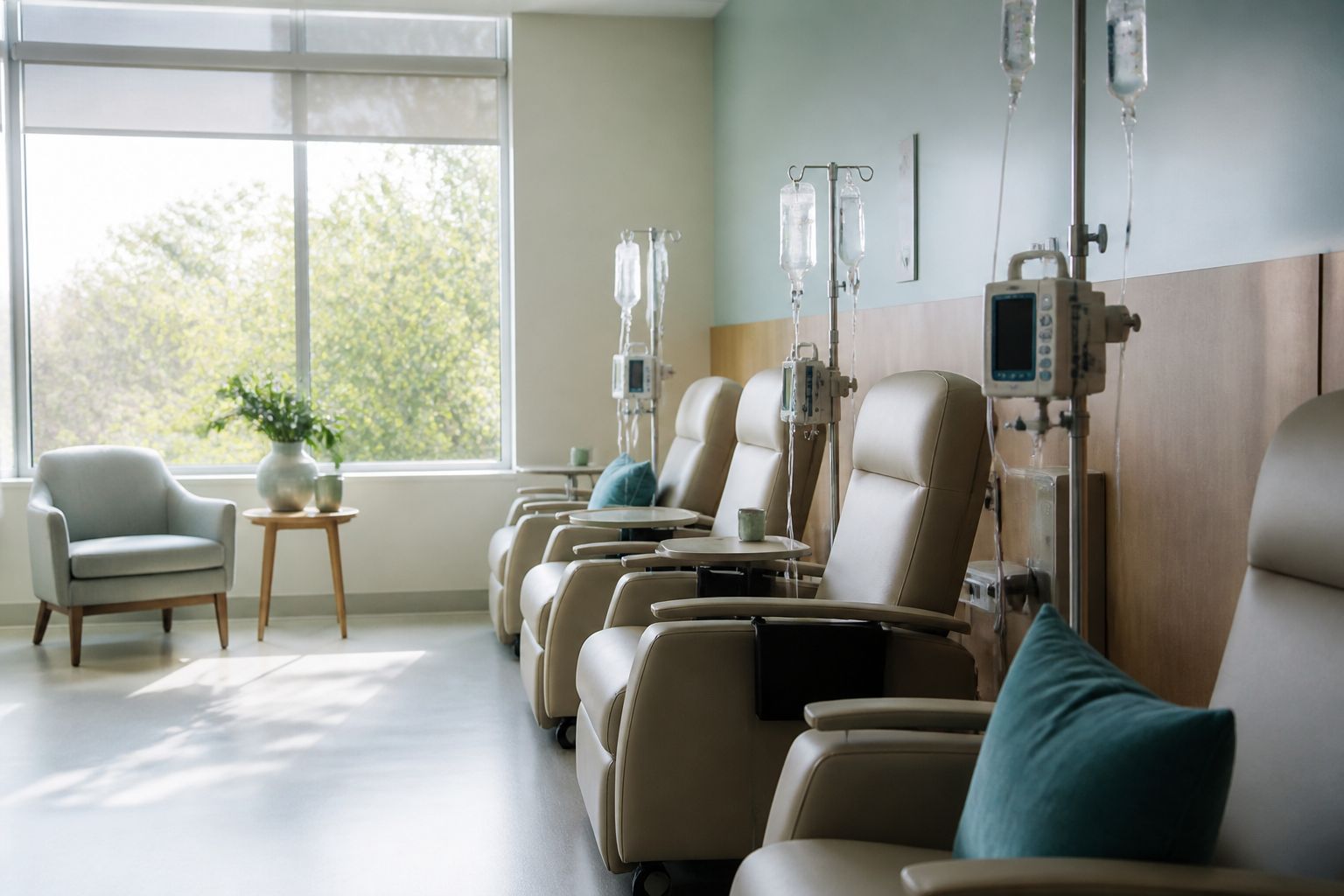
Chemotherapy prices vary greatly from country to country, depending on factors like local healthcare costs and the drugs used. For example, India and Turkey often offer chemotherapy at a fraction of US prices. When comparing costs, it’s important to know what is included in the quoted price—such as medications, doctor fees, and hospital charges—as well as what is not. This guide helps you compare chemotherapy costs and what to expect in top medical destinations worldwide.
What chemotherapy treatment involves
Chemotherapy is a fundamental component of cancer management, using potent drugs to destroy or slow the growth of cancer cells throughout the body. The treatment plan is highly individualized, determined by the specific type and stage of cancer, the patient’s age, overall health, and previous treatments. Chemotherapy can be administered as a standalone therapy, or integrated with surgery, radiation therapy, or immunotherapy, either before (neoadjuvant) or after (adjuvant) these interventions to maximize effectiveness. In some cases, it is used to shrink tumors prior to surgery, while in others, it is intended to eliminate any remaining cancer cells post-operatively or to manage advanced cancer to prolong life and alleviate symptoms.
Treatment is typically delivered in cycles, with each cycle comprising a period of active drug administration followed by a rest phase to allow the body to recover. The number of cycles and their frequency are tailored to the diagnosis and patient tolerance, and may range from a few weeks to several months. Chemotherapy medications can be administered intravenously (IV), orally as tablets or capsules, or by injection. IV infusions are usually performed in specialized oncology units, outpatient clinics, or day hospitals, with each session lasting from 30 minutes to several hours. Some protocols require hospital admission, particularly for high-dose regimens or when close medical supervision is necessary.
- Multiple cycles with rest periods are standard to maximize effectiveness and minimize toxicity.
- Drug selection and dosing are personalized based on cancer type, stage, and patient health.
- Supportive care, such as anti-nausea medications, nutritional counseling, and psychological support, is often integrated to manage side effects like fatigue, nausea, hair loss, and immune suppression.
| Country | Typical cost range (USD) | What is usually included |
|---|---|---|
| India | $1,200 – $2,800 per cycle | Drugs, administration, basic monitoring, some blood tests |
| Turkey | $2,000 – $4,000 per cycle | Drugs, administration, routine labs, supportive medications |
| United States | $7,000 – $15,000 per cycle | Drugs, administration, blood tests, doctor fees |
| United Kingdom | $4,500 – $8,000 per cycle (private) | Drugs, administration, basic monitoring |
| Germany | $6,000 – $12,000 per cycle | Drugs, administration, routine labs, doctor visits |
| France | $5,000 – $10,000 per cycle | Drugs, administration, monitoring, some supportive care |
| Thailand | $2,300 – $4,500 per cycle | Drugs, administration, basic labs |
| Singapore | $5,000 – $12,000 per cycle | Drugs, administration, routine monitoring |
| Mexico | $2,500 – $5,000 per cycle | Drugs, administration, basic tests |
| South Korea | $3,500 – $7,500 per cycle | Drugs, administration, routine monitoring |
| United Arab Emirates | $5,000 – $10,000 per cycle | Drugs, administration, basic labs, doctor fees |
| Spain | $4,000 – $8,500 per cycle | Drugs, administration, monitoring |
| Egypt | $1,800 – $3,500 per cycle | Drugs, administration, some labs |
| Poland | $2,800 – $5,500 per cycle | Drugs, administration, routine monitoring |
| Brazil | $2,500 – $5,000 per cycle | Drugs, administration, routine labs |
Why chemotherapy prices differ by country
The cost of chemotherapy can vary dramatically from one country to another due to several interrelated factors. Drug pricing is a primary driver: in countries like India and Turkey, the widespread use of generic drugs and lower manufacturing expenses result in significantly lower prices compared to nations like the US, where patented medications and higher regulatory costs dominate. Local patent laws, government negotiations, and the presence or absence of generics all influence the baseline cost of chemotherapy drugs. In addition, the overall cost of living, including labor, hospital infrastructure, and ancillary services, is often much lower in countries with emerging or developing economies, further reducing treatment costs.
Healthcare system structure also plays a crucial role. Some countries offer universal or heavily subsidized public health insurance, which can cover most or all chemotherapy costs for residents, while others rely more on private payment or insurance, increasing out-of-pocket expenses. The standard and availability of medical technology, the qualifications and experience of the oncology team, and the level of facility accreditation can also impact pricing. Furthermore, local regulations and the speed at which new drugs are approved or reimbursed affect which treatments are available and at what cost. These factors make it essential for patients to examine not only the headline price, but also the context and quality of care offered in each country.
- Drug pricing, patent laws, and availability of generics
- Labor and hospital infrastructure costs
- Public versus private healthcare funding and insurance coverage
- Facility standards, technology, and staff qualifications

What the price usually includes and excludes
The advertised price for chemotherapy typically covers the core elements of treatment, but inclusions can vary widely between hospitals and countries. Most standard quotes include the cost of chemotherapy drugs, administration (nursing care, infusion equipment, and use of treatment facilities), and routine monitoring during each session. Many hospitals also provide standard pre-treatment blood tests and basic supportive medications, such as anti-nausea drugs or steroids, as part of the package. Some centers may offer brief nutritional advice or access to psychological counseling as a complimentary service, but these are not universally included.
However, several significant costs are often excluded from the initial quote. These may include the initial diagnostic workup (such as biopsies, CT, MRI, or PET scans), the insertion of long-term IV access devices (like ports or PICC lines), inpatient stays for complications, and long-term follow-up appointments once the main course of chemotherapy is complete. Consultations with other specialists (such as cardiologists or endocrinologists), advanced supportive therapies, and specialized laboratory or genetic tests may also incur additional charges. When seeking treatment abroad, it is important to request a detailed, itemized estimate and to clarify the process for modifying services as your needs change. Understanding exactly what is and isn’t included helps avoid unexpected expenses during the course of treatment.
- Included: chemotherapy drugs, administration, routine monitoring by medical staff
- Sometimes included: standard blood tests, basic supportive medications, brief counseling
- Usually excluded: advanced imaging, port or PICC line insertion, extended hospital stays, long-term follow-up, consultations with other specialists
Quality and accreditation checks
Quality assurance is a critical consideration when seeking chemotherapy treatment abroad. The most globally recognized accreditation for hospitals is from Joint Commission International (JCI), which assesses institutions against rigorous standards for patient safety, care quality, and organizational management. In India, the National Accreditation Board for Hospitals & Healthcare Providers (NABH) is a respected national authority. Accredited hospitals are more likely to adhere to international guidelines, use approved and authentic medications, and maintain strict infection control and patient safety protocols.
Reviewing the qualifications and experience of the oncology team is equally important. Leading institutions such as Apollo Hospitals and Tata Memorial in India, Anadolu Medical Center and Acibadem in Turkey, Mayo Clinic and MD Anderson in the US, and Gustave Roussy in France or Charité in Germany are internationally recognized for their cancer care expertise. Many of these centers are involved in global cancer networks and clinical research, reflecting a commitment to up-to-date treatment protocols. To further evaluate quality, patients should check independent patient reviews on reputable platforms, request references, and ask about the hospital’s participation in multidisciplinary tumor boards or clinical trials. These steps help ensure that the chosen facility meets high standards of care and offers access to the latest advances in oncology.
- Verify JCI or national accreditation (e.g., NABH in India) through official websites
- Assess the oncology team’s credentials, training, and years of experience
- Look for participation in international cancer networks, research, or clinical trials
- Consult independent patient reviews and international hospital rankings
Hidden costs: travel, stay, and follow-up
When considering chemotherapy in a foreign country, it is vital to account for a range of hidden costs that extend beyond the direct medical expenses. International travel can be a substantial outlay, including airfare, visa application fees, and ground transportation between the airport, accommodation, and hospital. Depending on the treatment schedule, patients and their companions may need to stay near the hospital for several weeks or even months, leading to significant accommodation and daily living costs. Some hospitals offer bundled packages that include airport transfers, help with visa paperwork, and partnerships with nearby hotels or guesthouses, but these arrangements differ by institution and may not cover all needs or preferences.
Follow-up care is another important consideration. After completing the main chemotherapy regimen, patients often require ongoing check-ups, blood tests, or imaging, either at the treating hospital or with a local oncologist upon returning home. If complications such as infections, severe side effects, or drug reactions occur, further hospital admissions or additional medications may be needed, and these are rarely included in the initial quote. Patients should also consider the cost of international health or travel insurance, which can provide financial protection against emergencies or unplanned healthcare needs. Language barriers may necessitate professional translation or interpretation services, adding to overall costs. Thorough planning for these hidden expenses is essential to avoid financial surprises and ensure a smooth treatment journey.
- International travel: flights, visas, airport transfers, local transportation
- Accommodation: hotels, guesthouses, or serviced apartments for extended stays
- Daily living expenses: meals, laundry, and incidentals for patients and companions
- Follow-up care: post-treatment visits, lab tests, management of complications
- Insurance: international health or travel coverage
- Translation or interpretation services, if required
How to compare chemotherapy quotes
To make an informed decision when comparing chemotherapy quotes from hospitals in different countries, a thorough and organized approach is essential. Start by requesting detailed, itemized quotes from each provider that clearly outline what is included in the price. Clarify whether the quote is for a single session, a full treatment cycle, or the entire course of chemotherapy. Ensure that all core elements—such as the cost of drugs, administration, routine blood tests, and standard supportive medications—are specified. Some hospitals may offer comprehensive packages, while others bill separately for each service, so it is important to match inclusions and exclusions line by line.
Ask about the specific medications being used, and whether they are patented or generic, as this can affect both cost and therapeutic options. Confirm the hospital’s accreditation status and the credentials of the oncology team to ensure quality standards are met. Inquire about additional services, such as language support, emergency care protocols, and the hospital’s process for managing complications or side effects. Do not overlook non-medical costs: factor in travel, accommodation, meals, and follow-up care to calculate the total expected expense. By systematically comparing all these aspects, you can choose the option that best balances affordability, quality, and convenience for your particular needs.
- Request and review itemized quotes for all medical and non-medical services
- Clarify if pricing is per session, per cycle, or for the entire treatment course
- Check details of drug types (patented vs. generic) and hospital accreditation
- Include travel, accommodation, and follow-up costs in your total comparison
- Assess additional services such as language support and emergency protocols
Frequently asked questions
Does insurance cover chemotherapy abroad?
Most domestic insurance plans do not cover treatment in another country, unless they specifically offer international coverage. Some international health insurance or medical travel insurance plans can cover chemotherapy abroad, but you must check the policy details carefully. Always confirm coverage with your insurer before traveling.
How long does a chemotherapy cycle last?
A chemotherapy cycle usually lasts from one to four weeks, depending on the drugs and regimen prescribed. The number of cycles required varies with cancer type and treatment goals. Your oncologist will create a schedule tailored to your diagnosis and overall health.
Can I bring a family member with me for treatment?
Yes, most hospitals allow and even encourage patients to bring a family member or companion. However, you should factor in the additional costs for accommodation, meals, and visas. Some hospitals offer support services or accommodations for caregivers as part of a package.
Are generic chemotherapy drugs as effective as branded ones?
Generic chemotherapy drugs contain the same active ingredients and work the same way as branded drugs. They are approved by regulatory authorities and are considered equally effective. Using generics can significantly reduce treatment costs without compromising quality.
What should I ask the hospital before starting chemotherapy abroad?
Ask for a detailed cost breakdown, including what is and isn’t covered. Check the hospital’s accreditation and the oncology team’s experience. Inquire about language support, emergency care, and the process for managing complications or side effects. Also, clarify follow-up care and how your records will be shared with your local doctor.
Related guides
Frizbo Health is an independent information site. Rankings are editorial and based on publicly available information such as reputation, specialist volume and accreditation; they are not paid placements. Costs are indicative ranges, not quotes, and change over time, so confirm current prices directly with the hospital. Nothing on this page is medical advice; speak to a qualified doctor about your own care.