
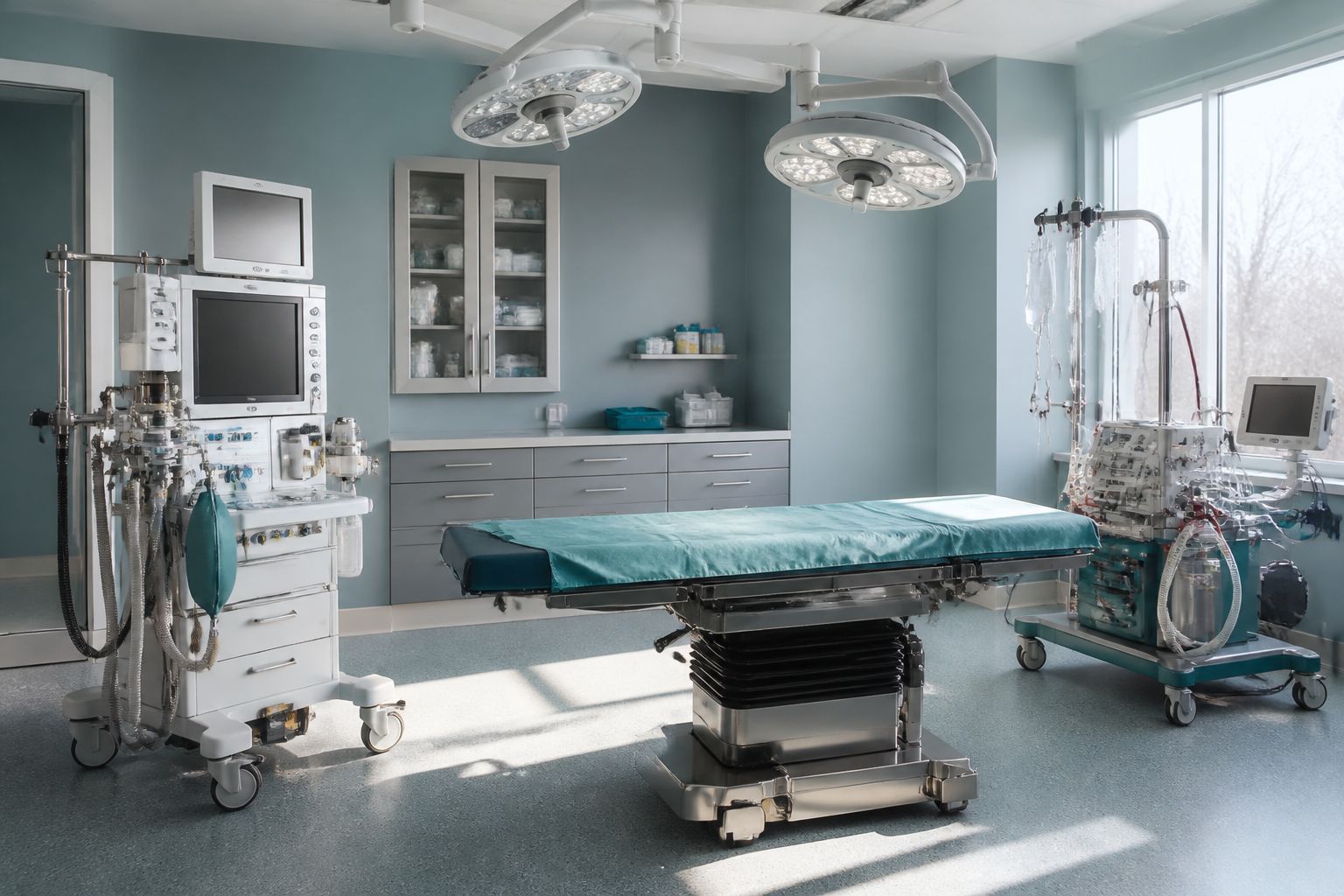
Heart valve replacement is a major surgical procedure that can restore normal heart function for many patients. The total cost can vary dramatically depending on the country, hospital, and what’s included in the package. This article compares typical heart valve replacement prices in the US, UAE, India, and other countries, helping you understand what drives the cost and how to assess your options. We also explain what’s usually included, possible extra expenses, and how to compare quotes for this life-changing treatment.
What heart valve replacement involves
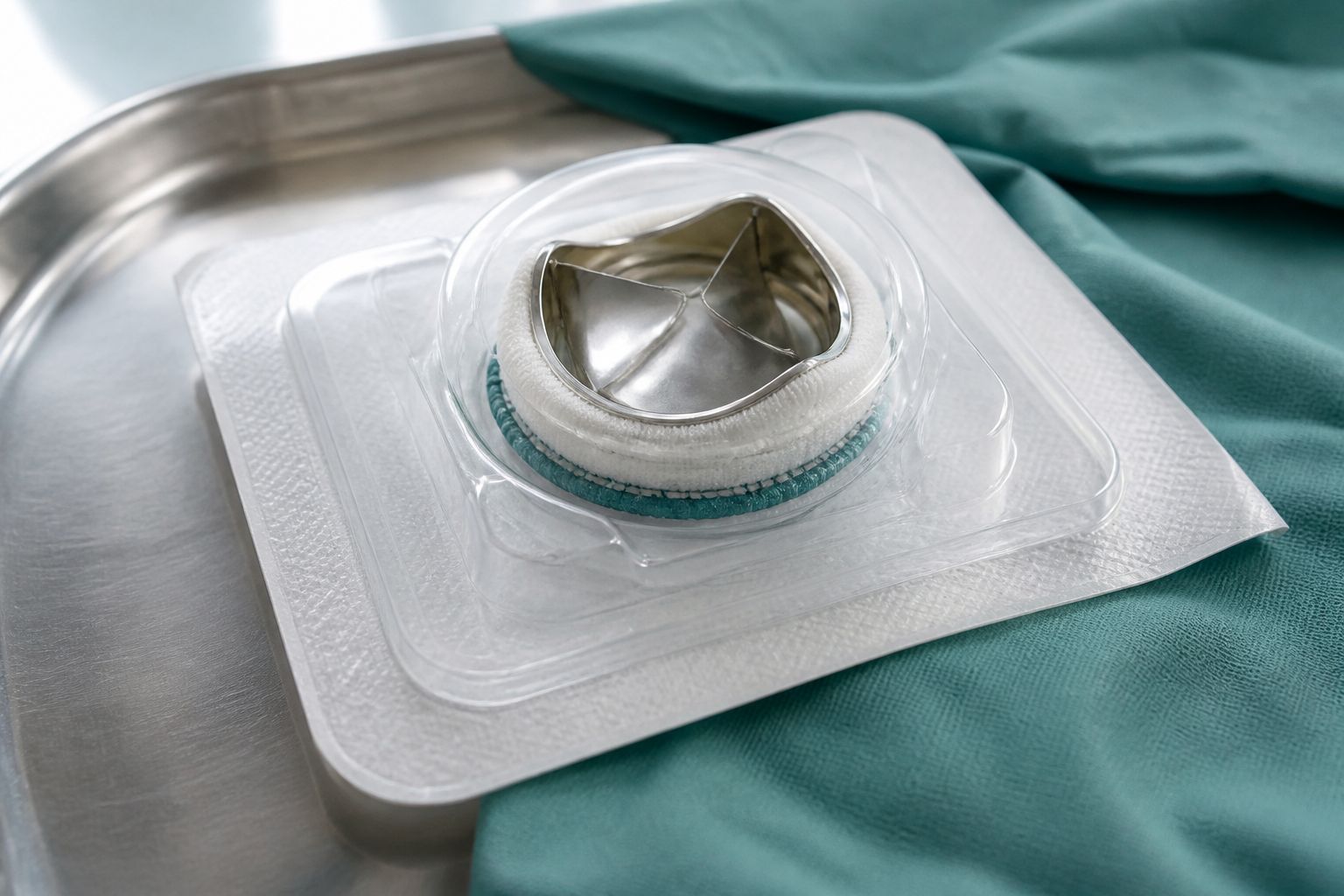
Heart valve replacement is a complex surgical procedure undertaken to address malfunctioning heart valves that cannot be repaired. These valves may be damaged due to congenital defects, age-related degeneration, infections like endocarditis, or conditions such as stenosis (narrowing) or regurgitation (leakage). The procedure involves removing the affected valve and replacing it with either a mechanical valve, which is made from durable materials like titanium or carbon, or a biological valve, typically sourced from pig, cow, or human tissue. The choice between these valves depends on patient factors such as age, lifestyle, and ability to manage long-term medications.
Most heart valve replacements are performed under general anesthesia. The surgical team may use traditional open-heart surgery, which requires a large incision through the breastbone, or minimally invasive techniques that use smaller incisions and specialized instruments. In some cases, especially for high-risk or older patients, a transcatheter approach—such as Transcatheter Aortic Valve Replacement (TAVR)—is used, where the new valve is inserted via a catheter through a blood vessel, usually in the groin.
After the procedure, patients typically spend time in an intensive care unit (ICU) for close monitoring, followed by several days in a regular hospital room. Recovery times vary but can range from a few weeks to several months, depending on the surgical method and individual health. Cardiac rehabilitation programs are often recommended to help patients regain strength, manage medications, and adjust to lifestyle changes. Follow-up appointments with a cardiologist are crucial to monitor valve function and overall heart health.
- Open-heart valve replacement: Involves a large chest incision and use of a heart-lung machine.
- Minimally invasive valve replacement: Utilizes smaller incisions, sometimes with robotic assistance, leading to faster recovery.
- Transcatheter aortic valve replacement (TAVR): Suitable for select patients, performed via a catheter, often with shorter hospital stays.
Understanding the procedure, recovery process, and long-term care needs is vital for anyone considering heart valve replacement.
| Country | Typical cost range (USD) | What is usually included |
|---|---|---|
| United States | $80,000 – $200,000 | Surgery, hospital stay, standard valve, basic post-op care |
| United Kingdom (private) | $40,000 – $70,000 | Surgery, hospital stay, standard valve, basic aftercare |
| United Arab Emirates | $45,000 – $80,000 | Surgery, hospital stay, standard valve, some pre-op tests |
| India | $7,000 – $15,000 | Surgery, hospital stay, standard valve, pre- and post-op care |
| Thailand | $18,000 – $30,000 | Surgery, hospital stay, standard valve, routine post-op care |
| Turkey | $13,000 – $22,000 | Surgery, hospital stay, standard valve, basic aftercare |
| Germany | $35,000 – $60,000 | Surgery, hospital stay, standard valve, routine aftercare |
| Singapore | $35,000 – $60,000 | Surgery, hospital stay, standard valve, basic aftercare |
| South Korea | $28,000 – $45,000 | Surgery, hospital stay, standard valve, basic aftercare |
| Mexico | $18,000 – $35,000 | Surgery, hospital stay, standard valve, some aftercare |
| Spain | $27,000 – $40,000 | Surgery, hospital stay, standard valve, routine aftercare |
| Malaysia | $15,000 – $22,000 | Surgery, hospital stay, standard valve, basic aftercare |
| Poland | $16,000 – $28,000 | Surgery, hospital stay, standard valve, basic aftercare |
| Egypt | $10,000 – $18,000 | Surgery, hospital stay, standard valve, basic aftercare |
| South Africa | $18,000 – $32,000 | Surgery, hospital stay, standard valve, some aftercare |
Why prices differ by country
The cost of heart valve replacement can vary dramatically from one country to another, sometimes differing by tens of thousands of dollars. These differences are influenced by a range of factors, making it important for patients to understand what drives the price in each location. Labor costs are a significant component; countries with lower wages for medical professionals and support staff can offer lower procedure prices. The cost of medical devices, such as artificial valves, also fluctuates based on local taxes, tariffs, and negotiated pricing agreements with manufacturers.
Hospital infrastructure and the level of accreditation also impact costs. Leading private hospitals in the US, Western Europe, or the UAE may charge premium prices due to advanced technology, high staff-to-patient ratios, and comprehensive aftercare services. In contrast, hospitals in India, Thailand, or Turkey may provide comparable quality at lower prices, often supported by government incentives for medical tourism, lower operational overheads, and a competitive healthcare market targeting international patients.
Additionally, regulatory environments and insurance systems have a major effect. In the US, higher prices reflect complex billing systems, administrative overhead, and the cost of medical liability insurance. Countries with national health systems may offer lower prices for residents, but international patients often pay higher, self-funded rates. Currency exchange rates and local demand for international healthcare services can further influence pricing.
- Labor and staffing costs
- Medical device pricing and import taxes
- Hospital accreditation and infrastructure
- Regulatory environment and insurance systems
- Currency exchange rates and local market competition
When comparing costs, it’s important to consider not just the base price but also what is included in the package, the reputation of the hospital, and the overall patient experience. These factors collectively determine value, safety, and satisfaction.
What the price usually includes and excludes
Understanding what is included in the quoted price for heart valve replacement is crucial to avoid unexpected costs. Most hospitals, especially those catering to international patients, offer package pricing. However, the components of these packages can differ considerably, impacting your overall expenditure and experience.
Typically, a standard heart valve replacement package covers:
- Pre-operative assessments (blood tests, imaging, ECG, and other diagnostics)
- The surgical procedure itself, including anesthesia and use of the operating theatre
- The cost of a standard artificial or biological valve (note that some premium or specialized valves may incur additional charges)
- Hospital stay, including days in the intensive care unit (ICU) and regular recovery rooms
- Routine post-operative medications and monitoring during the hospital stay
However, several important items are often excluded or may be billed separately, such as:
- Initial consultations prior to hospital admission (especially if conducted remotely or at a different facility)
- Specialist fees for cardiologists, anesthesiologists, or other consultants
- Hospital stays that extend beyond the standard recovery period due to complications
- Treatment for unforeseen complications, including additional ICU days or emergency interventions
- Long-term follow-up care after discharge, particularly if you return to your home country
- All travel-related expenses, accommodation, and meals for both patient and accompanying family members
To ensure transparency, always request a comprehensive, itemized breakdown of what is included in the proposed package. Clarify whether there are extra charges for specific valve brands, extended ICU stays, or additional procedures. Understanding these details will help you accurately compare options across hospitals and countries, ensuring there are no hidden surprises.
Quality and accreditation checks
Ensuring you receive high-quality care for heart valve replacement is essential, especially when considering treatment abroad. Hospital accreditation is a key indicator of quality and safety. The Joint Commission International (JCI) is one of the most respected global accreditation bodies, and many leading hospitals in the US, UAE, India, Turkey, Singapore, and Thailand have earned JCI accreditation. This certification confirms that the hospital meets rigorous standards in patient safety, infection control, and quality of care.
In addition to JCI, other reputable accreditation agencies include the National Accreditation Board for Hospitals & Healthcare Providers (NABH) in India and the Care Quality Commission (CQC) in the UK. Accreditation should be verified directly on the accrediting body’s official website or by requesting documentation from the hospital. Beyond institutional accreditation, it is important to check whether the hospital has a dedicated cardiac surgery unit and if their surgeons are board-certified in cardiothoracic surgery in their country of practice.
- Verify JCI, NABH, CQC, or other recognized accreditations via official channels
- Confirm the presence of a specialized cardiac or heart surgery department
- Request information on the experience and credentials of the lead surgeons
- Review available data on patient safety, infection rates, and surgical outcomes
Some hospitals publish their clinical outcomes and complication rates, which can help you assess their performance, though comparing between institutions is not always straightforward. While cost is an important consideration, always balance it against evidence of quality, safety protocols, and the experience of the medical team to ensure the best possible outcome for your heart valve replacement.
Hidden costs: travel, stay, and follow-up
When planning for heart valve replacement abroad, it’s important to look beyond the quoted surgical price and consider the full spectrum of additional expenses. Travel and accommodation costs can add significantly to your overall budget, especially if you are accompanied by family or need to stay in the destination country for an extended period.
Travel expenses typically include round-trip airfare for you and any companions, visa application fees, airport transfers, and comprehensive travel insurance that covers medical emergencies and potential changes to your itinerary. Accommodation costs vary depending on the length of your stay, the proximity to the hospital, and the level of comfort you require. Some hospitals have partnerships with nearby hotels or offer on-campus guesthouses at reduced rates for patients and families.
- Airfare and local transportation (taxis, rideshares, shuttles)
- Visa and travel insurance fees
- Hotel or guesthouse accommodation, possibly with hospital discounts
- Daily living expenses, including meals and incidentals
- Interpreter or patient liaison services, if not included in the hospital package
- Additional costs if your hospital stay is prolonged due to complications
After discharge, you may be advised to remain locally for one to two weeks for follow-up appointments and post-operative monitoring before returning home. Once back in your home country, ongoing follow-up with your local cardiologist is necessary, and you should budget for medications, routine lab tests, and possible rehabilitation. It’s prudent to include a financial buffer for unforeseen expenses and to consult the hospital’s international patient department for advice on typical costs and logistical arrangements.
How to compare quotes from different hospitals
Comparing heart valve replacement quotes from various hospitals and countries requires careful attention to detail, as package components and pricing structures can differ widely. To ensure you are making a fair and informed comparison, begin by requesting a comprehensive, itemized quote from each hospital. The quote should clearly specify what is included—such as the surgery itself, type of valve, anesthesia, hospital stay, and medications—and what is excluded, like pre-admission consultations, extended ICU care, or follow-up after discharge.
It is also important to check whether the quoted price covers the specific type of valve you require, as some hospitals may charge extra for certain brands or for mechanical versus biological valves. Ask about the experience and qualifications of the surgical team, and verify the hospital’s accreditation status through recognized bodies such as JCI, NABH, or CQC. Additionally, clarify the duration of the included hospital stay and what financial arrangements are in place if complications necessitate a longer recovery period or additional procedures.
- Request a detailed, itemized breakdown of all costs
- Clarify inclusions and exclusions in the package
- Ask about additional charges for complications or specialized devices
- Verify hospital accreditation and surgeon credentials
- Include travel, accommodation, and aftercare in your total cost calculations
Finally, consider the hospital’s support services for international patients, such as language assistance and help with logistics. Comparing on the basis of quality, transparency, and overall patient support, rather than price alone, will help you choose the most appropriate and safe option for your heart valve replacement procedure.
Frequently asked questions
How long do I need to stay in the hospital after heart valve replacement?
Most patients stay in the hospital for 5 to 10 days after heart valve replacement, depending on their recovery and whether the procedure was open or minimally invasive. Intensive care is usually needed for the first 1 to 2 days. Your doctor will advise you on when it’s safe to travel or return home.
Is the cost of the artificial valve included in the quoted price?
Most hospitals include the cost of a standard artificial or biological valve in their package price, but some may charge extra for specific brands or types. Always check your quote carefully and clarify if your preferred valve is covered or if there are additional costs for certain devices.
Will my insurance cover heart valve replacement abroad?
Coverage for heart valve replacement abroad depends on your insurance policy and provider. Some international health insurance plans include planned treatment overseas, but many domestic policies do not. Always confirm with your insurer what is covered and get written approval before proceeding with treatment abroad.
What are the risks of traveling soon after surgery?
Traveling soon after heart surgery can increase the risk of complications such as blood clots, infection, or problems related to changes in altitude and cabin pressure. Most doctors recommend waiting at least 2 to 4 weeks after surgery before flying, but this varies depending on your recovery and the advice of your medical team.
How do I choose between a mechanical and a biological valve?
The choice depends on your age, lifestyle, and medical history. Mechanical valves last longer but require lifelong blood thinners. Biological valves may need replacement after 10–20 years but usually don’t require long-term anticoagulation. Your cardiologist and surgeon will recommend the best option based on your individual circumstances.
Related guides
Frizbo Health is an independent information site. Rankings are editorial and based on publicly available information such as reputation, specialist volume and accreditation; they are not paid placements. Costs are indicative ranges, not quotes, and change over time, so confirm current prices directly with the hospital. Nothing on this page is medical advice; speak to a qualified doctor about your own care.