
Angioplasty is a common procedure to open blocked heart arteries, but its cost can range from a few thousand to tens of thousands of dollars depending on the country. Factors like local healthcare systems, hospital reputation, and what’s included in the price all affect what you pay. This guide explains how angioplasty costs compare in countries like Turkey, Germany, Thailand, and others, and what patients should look for when evaluating hospitals and quotes.
What angioplasty treatment involves
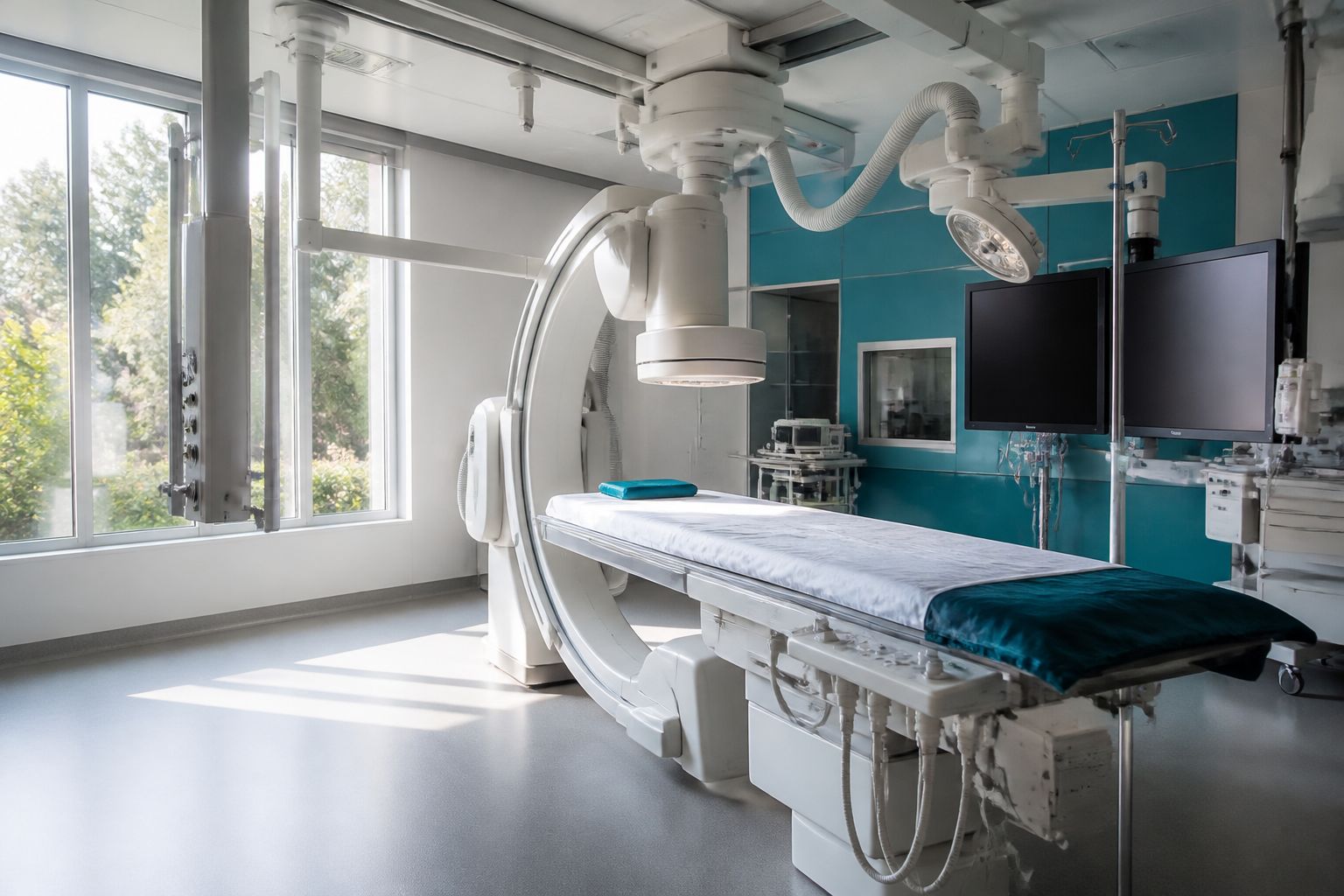
Angioplasty is a minimally invasive medical procedure designed to open narrowed or blocked arteries, most commonly those that supply blood to the heart (coronary arteries). The treatment begins with local anesthesia and mild sedation, ensuring that the patient remains comfortable and relaxed throughout the procedure. A highly trained interventional cardiologist then inserts a thin, flexible catheter into a large blood vessel—usually in the groin (femoral artery) or wrist (radial artery). Using advanced imaging techniques such as fluoroscopy, the cardiologist carefully guides the catheter through the vascular system to the precise location of the arterial blockage.
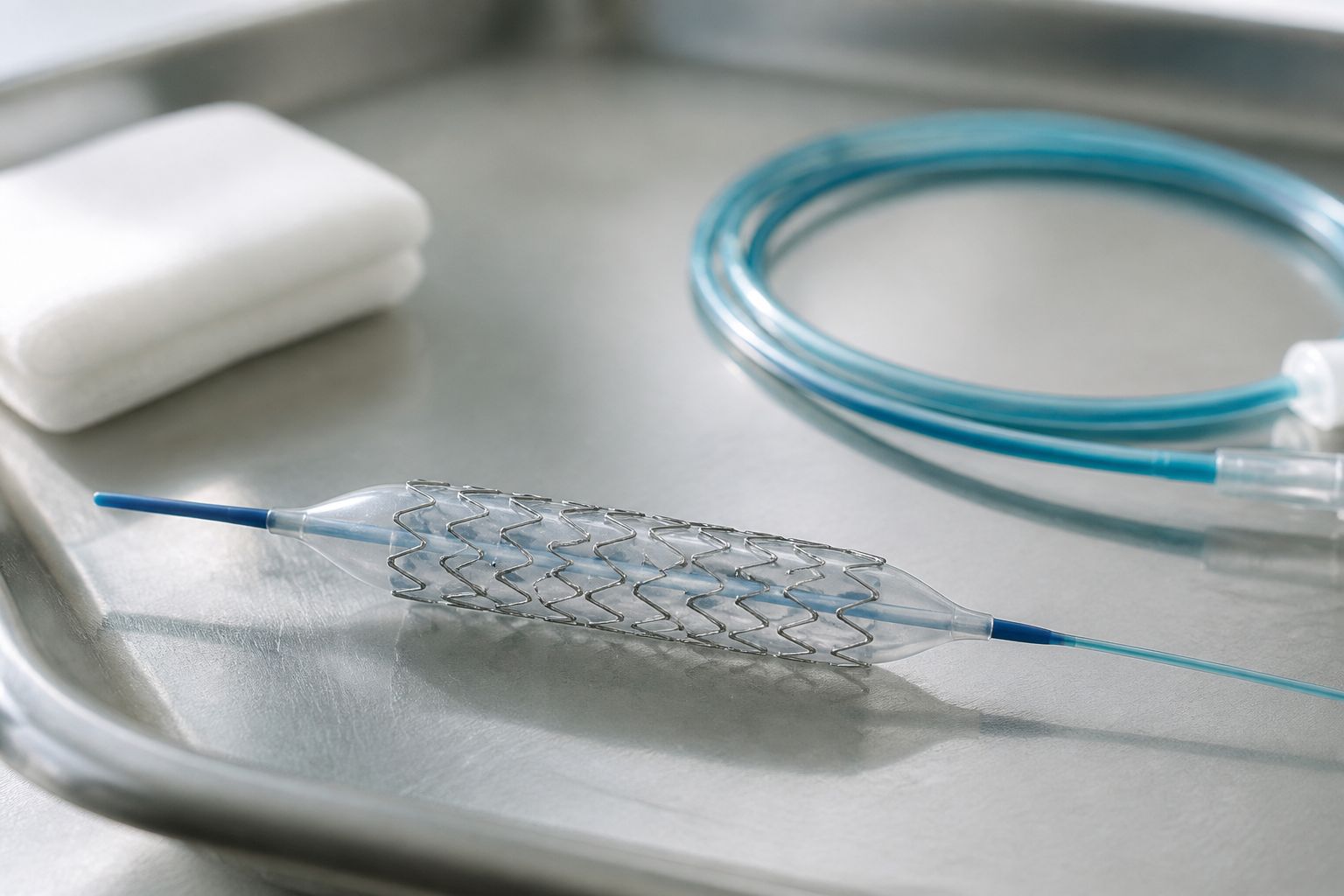
At the blockage site, a small balloon at the tip of the catheter is inflated, which compresses the fatty deposits (plaque) against the artery wall. This process widens the artery and restores normal blood flow. In many cases, a stent—a tiny wire mesh tube—is placed at the site to keep the artery open after the balloon is deflated and removed. The stent remains permanently in the artery, providing structural support and reducing the risk of future narrowing. Angioplasty may be performed as an emergency intervention during a heart attack or as a planned procedure for those with stable coronary artery disease. Hospital stays are relatively short, often between one and three days, and most patients can return to light activities within a week. The procedure is typically followed by a regimen of medications to prevent blood clots and manage cardiovascular risk factors.
- Balloon angioplasty, with or without stent placement
- Performed under local anesthesia and conscious sedation
- Hospital stay is usually 1-3 days, with rapid recovery
- Follow-up visits and ongoing medication are standard
| Country | Typical cost range (USD) | What is usually included |
|---|---|---|
| Turkey | $3,000 – $7,000 | Procedure, standard stent, 1-2 nights stay, basic medications |
| Germany | $9,000 – $18,000 | Procedure, standard stent, 2-3 nights stay, routine drugs, some pre-op tests |
| Thailand | $5,000 – $10,000 | Procedure, stent, 1-2 nights stay, basic care, some pre-op tests |
| India | $3,000 – $8,000 | Procedure, standard stent, 2-3 nights stay, routine drugs |
| United States | $20,000 – $40,000 | Procedure, stent, 2-4 nights stay, standard care |
| United Kingdom | $8,000 – $16,000 | Procedure, stent, 1-3 nights stay, routine medications |
| Singapore | $10,000 – $22,000 | Procedure, standard stent, 2-3 nights stay, basic drugs |
| Malaysia | $4,500 – $9,000 | Procedure, stent, 1-2 nights stay, basic care |
| United Arab Emirates | $10,000 – $20,000 | Procedure, stent, 2-3 nights stay, standard drugs |
| Spain | $7,000 – $14,000 | Procedure, stent, 2-3 nights stay, routine medications |
| Poland | $5,000 – $9,000 | Procedure, stent, 2-3 nights stay, basic drugs |
| Mexico | $7,000 – $13,000 | Procedure, stent, 2 nights stay, routine care |
| South Korea | $8,000 – $18,000 | Procedure, stent, 2-3 nights stay, routine medications |
| Egypt | $3,500 – $8,000 | Procedure, stent, 2 nights stay, basic drugs |
| Brazil | $7,000 – $15,000 | Procedure, stent, 2-3 nights stay, routine care |
Why prices differ by country
The cost of angioplasty varies significantly from country to country due to a range of economic, regulatory, and healthcare system factors. One of the most influential elements is labor cost: countries like Turkey or India, where wages for medical professionals and support staff are lower, can offer much more affordable angioplasty compared to countries such as Germany or the United States, where salaries and operational expenses are considerably higher. The price of medical equipment, including catheters, stents, and imaging devices, also differs based on import taxes, local manufacturing, and supply chain logistics.
The structure of the healthcare system plays a key role as well. In countries with robust public healthcare systems, residents may access angioplasty at subsidized rates or even free of charge, while international patients are usually billed at market rates. Private hospitals, regardless of country, often charge more due to higher facility standards, investment in technology, and the reputation of their specialists. Geographic location—urban versus rural settings—impacts overhead costs and patient demand, further influencing price. Additionally, exchange rates and the general cost of living in a country can make some destinations more attractive for medical travelers seeking value for money.
- Local wage and medical equipment costs
- Public versus private healthcare system influences
- Hospital reputation, specialization, and location
- Additional diagnostic or specialist services may add to the cost
What the price usually includes and excludes
When considering angioplasty abroad, it is essential to clarify what is included in the quoted price to avoid unexpected expenses. Most hospitals offer standard packages that cover the core elements of the procedure: the angioplasty itself, a standard stent, use of the catheterization laboratory, and a basic inpatient stay (usually 1-3 days). Pre-operative assessments such as routine blood tests, EKGs, and basic medications are often bundled into the package, particularly at hospitals experienced with international patients who value transparent pricing.
However, there are notable exclusions that can significantly affect total costs. If multiple stents are required, if complications arise that necessitate intensive care or a longer hospital stay, or if specialized medications are needed, additional charges typically apply. Advanced imaging (like CT or MRI), pre-admission specialist consultations, and post-discharge medications or follow-up appointments may not be included, especially for patients traveling from overseas. Ancillary services such as airport transfers, translation, and international patient coordinators may or may not be part of the package, so it is wise to ask for a detailed, itemized quote and clarification on all inclusions and exclusions before making a decision.
- Typically included: procedure, standard stent, basic hospital stay, routine medications
- Commonly excluded: extra stents, ICU care, complications, extended hospital stay
- Often excluded: travel, advanced pre/post-op tests, long-term follow-up care
Quality and accreditation checks
Ensuring you receive high-quality angioplasty care is paramount, especially when seeking treatment in another country. International accreditation is a reliable indicator of a hospital’s commitment to patient safety and clinical excellence. Look for hospitals accredited by globally recognized organizations such as Joint Commission International (JCI), which evaluates standards in patient care, safety protocols, and overall quality. In some countries, national bodies—like Germany’s KTQ or the UK’s Care Quality Commission (CQC)—also provide comprehensive assessments and regular audits, offering further assurance that the hospital meets rigorous standards.
Many leading hospitals in Turkey, Germany, Thailand, and India hold such accreditations and operate specialized cardiac centers staffed by experienced interventional cardiologists. When evaluating a hospital, verify the credentials and experience of the cardiology team, the availability of 24/7 emergency services, and the facility’s protocols for managing complications. Ask for information about the catheterization laboratory’s equipment, aftercare facilities, and language support services for international patients. It is also helpful to read independent patient reviews, request a virtual tour, or ask for detailed documentation about the hospital’s procedures and outcomes. These steps help ensure transparency and peace of mind when choosing your treatment center.
- Verify JCI, KTQ, CQC, or relevant national accreditation
- Assess cardiac center specialization and staff experience
- Review emergency care capabilities and support services for international patients
Hidden costs: travel, stay, and follow-up
When planning angioplasty abroad, be sure to factor in the hidden costs that go beyond the hospital’s quoted price. International travel expenses—such as flights, visas, and airport transfers—can be significant, particularly if you require a companion or caregiver to accompany you. Accommodation costs before admission and after discharge are also important, as you may need to stay near the hospital for follow-up appointments or to ensure a safe recovery before returning home. The daily costs of meals, local transportation, and incidental expenses like phone or internet access should also be included in your budget.
Follow-up care represents another area where costs can accumulate. While immediate post-procedure monitoring and a short follow-up period may be included in your hospital package, ongoing check-ups, laboratory tests, or medication refills are usually your responsibility once you return home. If complications occur, you could face extra charges for extended hospitalization, additional interventions, or even emergency medical evacuation. Always clarify the hospital’s policy on aftercare and complications prior to booking, and consider purchasing comprehensive travel insurance that specifically covers medical emergencies and unforeseen expenses related to your treatment abroad. Planning ahead for these hidden costs will help you avoid financial surprises and ensure a smoother recovery.
- International flights, visas, and airport transfers
- Accommodation for patient and companions before and after hospital stay
- Post-discharge follow-up appointments and medications
- Travel insurance and emergency contingency planning
How to compare quotes and choose a hospital
Comparing angioplasty quotes from different countries and hospitals requires a systematic approach to ensure you receive both value and quality. Start by requesting a detailed, itemized written quote from each hospital, specifying what is included—such as the procedure, stent(s), hospital stay, medications, and standard follow-up care—and what is not, like additional stents, ICU admission, or treatment for complications. Ask directly about the costs of pre-admission tests, translation services, and airport transfers, as these can be especially relevant for international patients and may not always be listed upfront.
Assess the hospital’s accreditation status and the experience of its cardiac team. Reputable hospitals are transparent, providing written treatment plans, clear explanations of the process, and outlining what happens if your clinical situation changes. Consider practical factors such as travel logistics, language support, and the ease of arranging follow-up care either locally or upon your return home. Consult independent patient reviews and check for any regulatory complaints or disciplinary actions involving the hospital or its staff. By carefully comparing these elements, you can make an informed decision that balances cost, quality, and convenience for your angioplasty treatment, ensuring the best possible outcome and experience.
- Request detailed, itemized written quotes
- Clarify all inclusions and exclusions
- Research accreditation, staff experience, and patient reviews
- Plan for aftercare, travel, and language support needs
Frequently asked questions
Is angioplasty safe in countries like Turkey, Thailand, or India?
Many hospitals in Turkey, Thailand, and India are internationally accredited and perform large numbers of angioplasties each year. Safety and quality can match Western standards in leading hospitals, but always check accreditation, the experience of the cardiac team, and independent patient reviews before choosing a facility.
Will my insurance cover angioplasty abroad?
Some international health insurance plans cover treatment abroad, but many do not. Always check with your insurer before making arrangements. You may need to pay upfront and claim reimbursement later, and coverage may be limited to emergencies or specific hospitals. Ask for pre-authorization and get all approvals in writing.
How long will I need to stay in the hospital after angioplasty?
Most patients stay in the hospital for 1 to 3 days after an uncomplicated angioplasty. If you have other medical problems or complications, your stay may be longer. Hospitals usually recommend staying locally for a few extra days after discharge before flying home, especially if you have traveled a long distance.
What happens if there are complications during or after the procedure?
If complications arise, you may need additional treatment, a longer hospital stay, or even emergency surgery. Most hospitals are equipped to handle these situations, but extra costs are usually not included in the initial price quote. Ask the hospital in advance how they handle complications and what the likely costs would be.
Can I travel alone for angioplasty or should I bring someone with me?
It is possible to travel alone for angioplasty, but bringing a companion is strongly recommended. You may need support immediately after the procedure and during recovery. Some hospitals require a companion for safety reasons, especially for international patients. Check hospital policies and consider your own comfort and mobility needs.
Related guides
Frizbo Health is an independent information site. Rankings are editorial and based on publicly available information such as reputation, specialist volume and accreditation; they are not paid placements. Costs are indicative ranges, not quotes, and change over time, so confirm current prices directly with the hospital. Nothing on this page is medical advice; speak to a qualified doctor about your own care.