
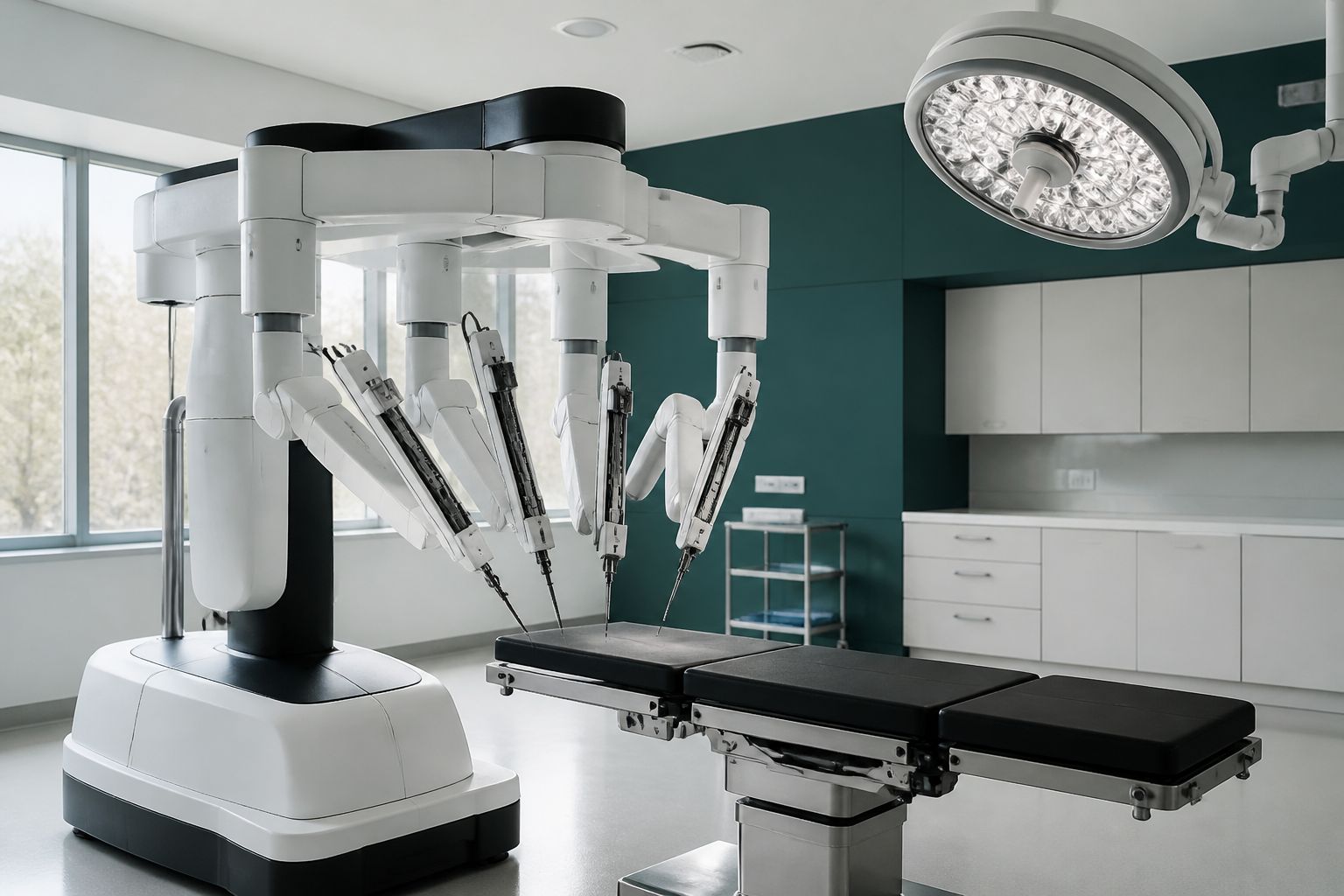
Robotic surgery has transformed transplant procedures, offering greater precision and faster recovery times. Asia is home to many world-renowned hospitals that specialise in robotic transplant surgery, attracting patients from across the globe. This guide ranks the top 25 hospitals in Asia for robotic-assisted transplant surgery, outlines what makes each centre unique, and breaks down what international patients can expect in terms of costs and logistics.
How the top hospitals were selected
This list was compiled by evaluating hospitals across Asia for their reputation in robotic transplant surgery. Factors included the volume of specialist procedures performed, international accreditations such as Joint Commission International (JCI), and recognition by independent ranking bodies. We considered multidisciplinary team expertise, ongoing research, and the presence of advanced robotics programs. Only hospitals with a sustained record in robotic transplant surgery, documented outcomes, and a strong track record for international patients were included.
Hospitals were also assessed for their infrastructure, including dedicated transplant units, access to post-surgical care, and support services for families. We prioritised centres with established international patient departments, ensuring smoother communication and coordination for those coming from abroad. The final ranking reflects both clinical excellence and the ability to deliver safe, high-quality care to a diverse patient population.
| # | Hospital | City, country | Known for |
|---|---|---|---|
| 1 | Singapore General Hospital | Singapore | Advanced robotic transplant surgery |
| 2 | Apollo Hospitals, Chennai | Chennai, India | High-volume robotic kidney and liver transplants |
| 3 | Asan Medical Center | Seoul, South Korea | Complex robotic liver and kidney transplants |
| 4 | Mount Elizabeth Hospital | Singapore, Singapore | Advanced minimally invasive robotic surgeries |
| 5 | Sir Ganga Ram Hospital | New Delhi, India | Robotic kidney and liver transplants |
| 6 | Samsung Medical Center | Seoul, South Korea | Robotic organ transplant innovation |
| 7 | Taipei Veterans General Hospital | Taipei, Taiwan | Advanced robotic urologic and oncologic surgery |
| 8 | Fortis Memorial Research Institute | Gurgaon, India | Robotic kidney and liver transplant surgery |
| 9 | National University Hospital | Singapore | Robotic kidney and liver transplantation |
| 10 | The Aga Khan University Hospital | Karachi, Pakistan | Robotic surgery in urology and gynecology |
| 11 | St. Luke’s Medical Center – Global City | Taguig, Philippines | Robotic urology and gynecology surgeries |
| 12 | Severance Hospital, Yonsei University Health System | Seoul, South Korea | Robotic transplant surgery and research |
| 13 | Bumrungrad International Hospital | Bangkok, Thailand | Robotic kidney and liver transplants |
| 14 | All India Institute of Medical Sciences (AIIMS) | New Delhi, India | Advanced robotic urological and oncological surgeries |
| 15 | Seoul National University Hospital | Seoul, South Korea | Robotic-assisted cancer and thyroid surgeries |
| 16 | Prince of Wales Hospital | Hong Kong, China | Robotic-assisted transplant surgery |
| 17 | Medanta – The Medicity | Gurgaon, India | Robotic kidney and liver transplants |
| 18 | Kokilaben Dhirubhai Ambani Hospital | Mumbai, India | Advanced robotic transplant surgery |
| 19 | Chulalongkorn Memorial Hospital | Bangkok, Thailand | Robotic prostate and gynecologic surgery |
| 20 | Aster Medcity | Kochi, India | Robotic kidney and liver transplants |
| 21 | Peking Union Medical College Hospital | Beijing, China | Robotic urologic and gynecologic surgery |
| 22 | Christian Medical College Vellore | Vellore, India | Robotic-assisted kidney transplants |
| 23 | Rajiv Gandhi Cancer Institute & Research Centre | Delhi, India | Robotic cancer surgeries |
| 24 | Hong Kong Sanatorium & Hospital | Hong Kong, China | Robotic prostate and gynecological surgeries |
| 25 | Ramathibodi Hospital, Mahidol University | Bangkok, Thailand | Robotic transplant surgery |
Typical costs of robotic transplant surgery in Asia
Robotic transplant surgery costs in Asia vary depending on the country, hospital, and complexity of the procedure. In general, robotic kidney or liver transplants at leading centres in Singapore and Japan may range from $60,000 to $150,000, reflecting higher staff and facility costs. In India and Thailand, similar procedures may cost between $25,000 and $60,000, while in South Korea and China, the range is typically $40,000 to $100,000.
These figures usually cover the surgery, anaesthesia, hospital stay, and standard post-operative care. However, costs for additional procedures, complications, or extended recovery can increase the total bill. Many hospitals offer packages for international patients, which may include airport transfers, translation, and basic accommodation, but it is important to clarify exactly what is included before making a decision.
The 25 in detail
1 Singapore General Hospital
Singapore · $90,000–$150,000
Singapore General Hospital is a regional leader in robotic kidney and liver transplantation. Its multidisciplinary transplant centre handles complex cases and offers comprehensive pre- and post-operative care. International patients benefit from English-speaking staff, well-organised care pathways, and advanced facilities. The hospital is JCI-accredited and known for its research and innovation in minimally invasive transplant techniques.
2 Apollo Hospitals, Chennai
Chennai, India · $28,000–$55,000
Apollo Hospitals in Chennai is recognised for its pioneering use of robotic surgery in organ transplantation. The centre performs a large number of kidney and liver transplants, including living donor procedures. International patients are supported by a dedicated team for travel, accommodation, and follow-up. The hospital is JCI-accredited and offers cost-effective packages for overseas patients.
3 Asan Medical Center
Seoul, South Korea · $60,000–$120,000
Asan Medical Center is one of South Korea’s largest and most advanced hospitals, with a strong record in robotic organ transplantation. Its multidisciplinary transplant team is experienced in both adult and paediatric cases. The hospital offers comprehensive support for international patients including visa assistance, interpreters, and post-transplant monitoring.
4 Mount Elizabeth Hospital
Singapore, Singapore · USD 18,000–35,000
Mount Elizabeth Hospital offers a comprehensive robotic surgery program, including urology, gynecology, and general surgery. The hospital is popular among international patients for its English-speaking staff, advanced technology, and dedicated international patient services. It is suitable for those seeking high-quality care and personalized treatment plans in a cosmopolitan setting.
5 Sir Ganga Ram Hospital
New Delhi, India · $27,000–$50,000
Sir Ganga Ram Hospital is a leading private hospital in India, offering advanced robotic kidney and liver transplants. The transplant team is experienced in minimally invasive techniques for both adults and children. International patients benefit from cost-effective packages, English-speaking staff, and assistance with medical visas and local accommodation.
6 Samsung Medical Center
Seoul, South Korea · $65,000–$125,000
Samsung Medical Center is well known for its advanced robotic surgery program, particularly in liver and kidney transplantation. The hospital combines cutting-edge technology with multidisciplinary care and is accredited by JCI. It provides comprehensive support for international patients, including interpretation and logistical help.
7 Taipei Veterans General Hospital
Taipei, Taiwan · USD 12,000–25,000
Taipei Veterans General Hospital is a leading center for robotic-assisted surgeries, particularly in urology, gynecology, and oncology. The hospital offers state-of-the-art Da Vinci robotic systems and a multidisciplinary team. International patients benefit from English-speaking coordinators and streamlined medical visa support, making it a strong choice for those seeking high-quality, minimally invasive surgical care in Taiwan.
8 Fortis Memorial Research Institute
Gurgaon, India · $30,000–$58,000
Fortis Memorial Research Institute is a JCI-accredited hospital with a strong robotic transplant program. The centre handles complex kidney and liver transplants, including living donor cases. International patients are supported by a dedicated global patient services team, which assists with logistics and post-surgical care.
9 National University Hospital
Singapore · $85,000–$145,000
National University Hospital is a key centre for robotic transplant surgery in Singapore. The hospital’s multidisciplinary transplant team is skilled in both adult and paediatric cases, with a focus on minimally invasive techniques. Support services include language interpretation, travel assistance, and help with follow-up care for international patients.
10 The Aga Khan University Hospital
Karachi, Pakistan · USD 8,000–18,000
The Aga Khan University Hospital is a pioneer in Pakistan for robotic surgery, offering advanced procedures in urology, gynecology, and general surgery. The hospital is JCI-accredited and caters to both local and international patients, providing comprehensive pre- and post-operative care, interpreter services, and assistance with travel arrangements.
11 St. Luke’s Medical Center – Global City
Taguig, Philippines · USD 12,000–25,000
St. Luke’s Medical Center – Global City is a pioneer in robotic surgery in the Philippines, offering procedures in urology, gynecology, and general surgery. The hospital is JCI-accredited and caters extensively to international patients, providing concierge services and multilingual staff for a seamless experience.
12 Severance Hospital, Yonsei University Health System
Seoul, South Korea · $60,000–$115,000
Severance Hospital is known for its expertise in robotic kidney and liver transplants, supported by ongoing research and innovation. The hospital offers comprehensive international patient services, including interpretation, travel support, and assistance with local accommodation. Its transplant program is supported by advanced intensive care and rehabilitation facilities.
13 Bumrungrad International Hospital
Bangkok, Thailand · $45,000–$90,000
Bumrungrad International Hospital is a popular choice for international patients seeking robotic transplant surgery in Southeast Asia. The hospital’s transplant centre offers both kidney and liver procedures, with a focus on minimally invasive techniques. Services include English-speaking staff, help with visas, and assistance for family members.
14 All India Institute of Medical Sciences (AIIMS)
New Delhi, India · USD 4,000–12,000
AIIMS New Delhi is a premier government hospital offering state-of-the-art robotic surgery across specialties like urology, gynecology, and oncology. It is renowned for its experienced surgical teams and affordable care. International patients benefit from a dedicated medical tourism cell and comprehensive pre- and post-operative support.
15 Seoul National University Hospital
Seoul, South Korea · USD 18,000–32,000
Seoul National University Hospital is a leading center for robotic surgery, especially in cancer and thyroid procedures. The hospital offers advanced diagnostics and treatment, with a strong focus on research and innovation. International patients have access to interpretation services and personalized care coordinators.
16 Prince of Wales Hospital
Hong Kong, China · $50,000–$95,000
Prince of Wales Hospital is a major academic centre in Hong Kong, known for its robotic surgery program in organ transplantation. The hospital provides comprehensive pre- and post-operative care, with English-speaking staff and international patient services to assist with travel and follow-up.
17 Medanta – The Medicity
Gurgaon, India · $29,000–$55,000
Medanta is one of India’s largest private hospitals, with a dedicated centre for robotic transplant surgery. The hospital is known for high volumes and complex cases in both kidney and liver transplantation. International patients are supported with logistics, translation, and tailored care packages.
18 Kokilaben Dhirubhai Ambani Hospital
Mumbai, India · $28,000–$56,000
Kokilaben Dhirubhai Ambani Hospital offers advanced robotic kidney and liver transplant surgery, supported by a multidisciplinary team. The hospital provides a full range of services for international patients, including interpreter support, travel assistance, and guidance through the transplant process.
19 Chulalongkorn Memorial Hospital
Bangkok, Thailand · USD 10,000–22,000
Chulalongkorn Memorial Hospital is a top public hospital in Thailand, known for its expertise in robotic-assisted surgeries, especially for prostate and gynecologic cancers. The hospital features modern robotic systems and a team of highly trained surgeons. International patients are supported by a dedicated medical tourism office and English-speaking staff.
20 Aster Medcity
Kochi, India · $26,000–$50,000
Aster Medcity is a modern hospital in South India, offering robotic transplant surgery with a focus on kidney and liver transplants. The hospital’s international patient services team assists with travel, accommodation, and post-surgical care, making it a convenient choice for overseas patients.
21 Peking Union Medical College Hospital
Beijing, China · USD 12,000–30,000
Peking Union Medical College Hospital is renowned for its expertise in robotic-assisted surgeries, especially in urology and gynecology. The hospital features advanced surgical suites and a multidisciplinary team, making it a top choice for complex cases. International patients benefit from dedicated coordinators and English-speaking staff.
22 Christian Medical College Vellore
Vellore, India · $25,000–$45,000
Christian Medical College Vellore is a renowned academic hospital in India, offering robotic-assisted kidney transplantation. The hospital is known for its ethical approach, comprehensive care, and support for international patients, including help with travel and accommodation.
23 Rajiv Gandhi Cancer Institute & Research Centre
Delhi, India · USD 7,000–18,000
Rajiv Gandhi Cancer Institute is a top destination for robotic cancer surgeries in India, covering head and neck, thoracic, and abdominal cancers. The hospital is known for its multidisciplinary approach and affordable pricing, making it suitable for international patients seeking quality care at lower costs.
24 Hong Kong Sanatorium & Hospital
Hong Kong, China · USD 25,000–45,000
Hong Kong Sanatorium & Hospital offers state-of-the-art robotic surgery, particularly for prostate and gynecological conditions. The hospital is popular among expatriates and international patients for its English-speaking staff, luxury amenities, and comprehensive pre- and post-operative care.
25 Ramathibodi Hospital, Mahidol University
Bangkok, Thailand · $42,000–$88,000
Ramathibodi Hospital is a leading academic hospital in Thailand, offering robotic-assisted kidney and liver transplants. The hospital’s international patient services team assists with travel, accommodation, and interpreter support, making it accessible for overseas patients.
How to choose the right hospital for robotic transplant surgery
Choosing the right hospital involves considering both clinical quality and practical factors. Start by confirming the hospital’s accreditation and the experience of its surgical and transplant teams. Look for centres with a high volume of robotic transplant procedures, as this often correlates with better outcomes. It is also important to check the hospital’s infection control record, access to intensive care, and the availability of post-transplant support services.
- Review independent patient reviews and outcomes, if available.
- Ask about the surgeon’s personal experience with your specific type of transplant.
- Consider language support, location, and travel logistics.
- Check if the hospital can assist with donor matching, where needed.
- Request a detailed estimate and ask about what is included in the quoted price.
Practical steps for international patients
International patients should start by gathering all relevant medical records and imaging studies, ideally translated into English or the local language. Contact the hospital’s international patient office to confirm they accept overseas cases and can provide a medical visa invitation. Most hospitals will require a recent medical evaluation, so be prepared to share blood tests, imaging, and any prior surgical reports.
It is advisable to seek a second opinion before committing to surgery, which many top hospitals offer remotely. Once accepted, work with the hospital to arrange travel, accommodation, and local transportation. Interpreter services are available at most leading centres, but confirm availability in your language. Plan for a stay of several weeks, as post-operative monitoring is essential for transplant patients. Family accommodation or nearby hotels may be offered by the hospital or recommended by their international desk.
Costs beyond the hospital bill
The quoted price for robotic transplant surgery usually covers only the direct medical costs. Patients should budget for additional expenses, including travel, accommodation, meals, local transportation, and follow-up appointments. If a living donor is involved, their medical costs and travel may not be fully included in the main package. Medications, especially immunosuppressants, are a significant ongoing expense after transplant and may not be covered by the hospital’s package.
Plan for unforeseen costs such as complications, additional ICU days, or readmissions. Some countries require a deposit or proof of funds for medical visas. Finally, consider the cost of rehabilitation, home care, and long-term monitoring once you return home, as these are critical for transplant success and may not be available locally.
Frequently asked questions
What are the main benefits of robotic transplant surgery?
Robotic transplant surgery allows surgeons greater precision, smaller incisions, and improved access to difficult areas. This can mean less pain, reduced infection risk, and a shorter hospital stay compared to open surgery. Recovery times are often faster, and cosmetic results may be better. However, not all patients or procedures are suitable for robotic techniques, so suitability should be assessed individually.
How do I know if a hospital is accredited for robotic transplant surgery?
Look for international accreditations such as Joint Commission International (JCI), which ensures hospitals meet global standards for patient care and safety. You can also check the hospital’s website or contact their international patient office for details about their robotic surgery program, surgical team experience, and outcomes. Accreditation is a good indicator of consistent quality, but should be considered alongside other factors.
What documents will I need as an international patient?
You will need a valid passport, a medical visa (if required by the country), and all relevant medical records, including test results, imaging scans, and prior surgical reports. It’s helpful to have these documents translated into English or the local language. Some hospitals may also require proof of funds or a letter from your referring doctor. Contact the hospital’s international patient office for a full checklist.
Are there risks unique to robotic transplant surgery?
Robotic transplant surgery shares many of the same risks as traditional open surgery, including infection, bleeding, and organ rejection. However, robotic procedures can have unique technical risks, such as equipment malfunction or longer operating times in some cases. These risks are generally low when performed at experienced centres, but it is important to discuss them with your surgical team.
How can I manage costs beyond the hospital bill?
Plan for additional expenses such as travel, accommodation, meals, local transport, medications, and follow-up care. If you have a living donor, their costs may not be included. Ask the hospital for a detailed cost breakdown and consider purchasing travel health insurance. Some hospitals offer packages for international patients, but always clarify what is included and budget for unforeseen expenses.
Related guides
Frizbo Health is an independent information site. Rankings are editorial and based on publicly available information such as reputation, specialist volume and accreditation; they are not paid placements. Costs are indicative ranges, not quotes, and change over time, so confirm current prices directly with the hospital. Nothing on this page is medical advice; speak to a qualified doctor about your own care.